How Technology Is Helping Seniors Age Safely at Home
From fall detection to smart medication dispensers, simple technology is giving older adults and their families more peace of mind at home.
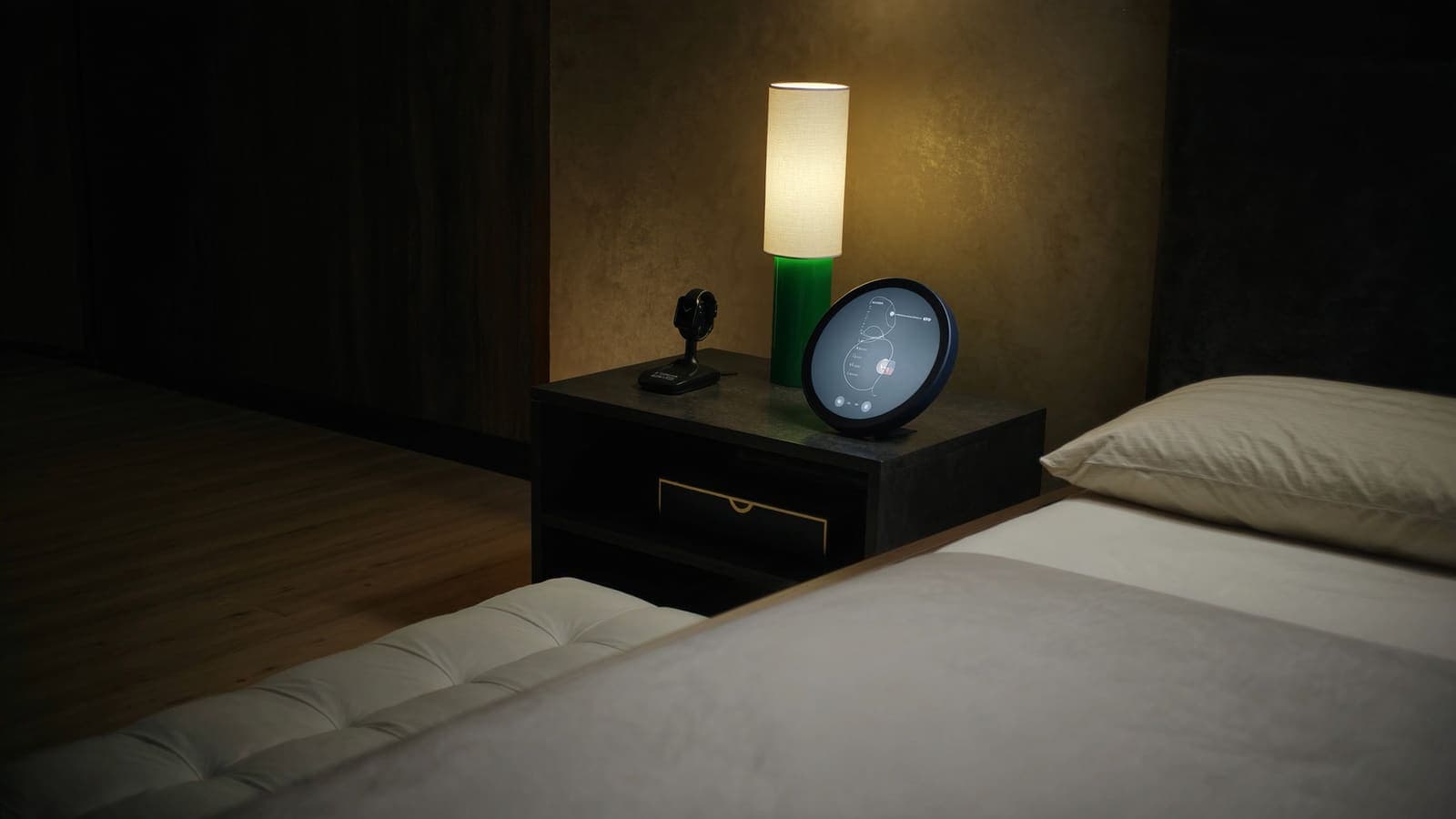
Not long ago, "staying independent at home" mostly meant relying on family nearby and a landline phone. Today, a growing range of simple technology is giving older adults and the families who worry about them a lot more peace of mind, often without adding complexity to daily life.
Fall Detection and Emergency Response
Medical alert devices have come a long way from the clunky pendants of years past. Many current systems can detect a fall automatically and call for help even if the wearer cannot press a button, and some pair with a smartwatch style device that does not feel medical at all. For families, this closes one of the biggest safety gaps in aging at home: what happens in the minutes after a fall when no one else is in the house.
Medication Reminders and Smart Pill Dispensers
Missed or doubled medication doses are a common and preventable problem. Automatic pill dispensers that lock each dose until the right time, paired with reminder alerts, help reduce errors without requiring a family member to call every single day. Some systems can even notify a caregiver or family member if a dose is missed.
Simple Home Monitoring
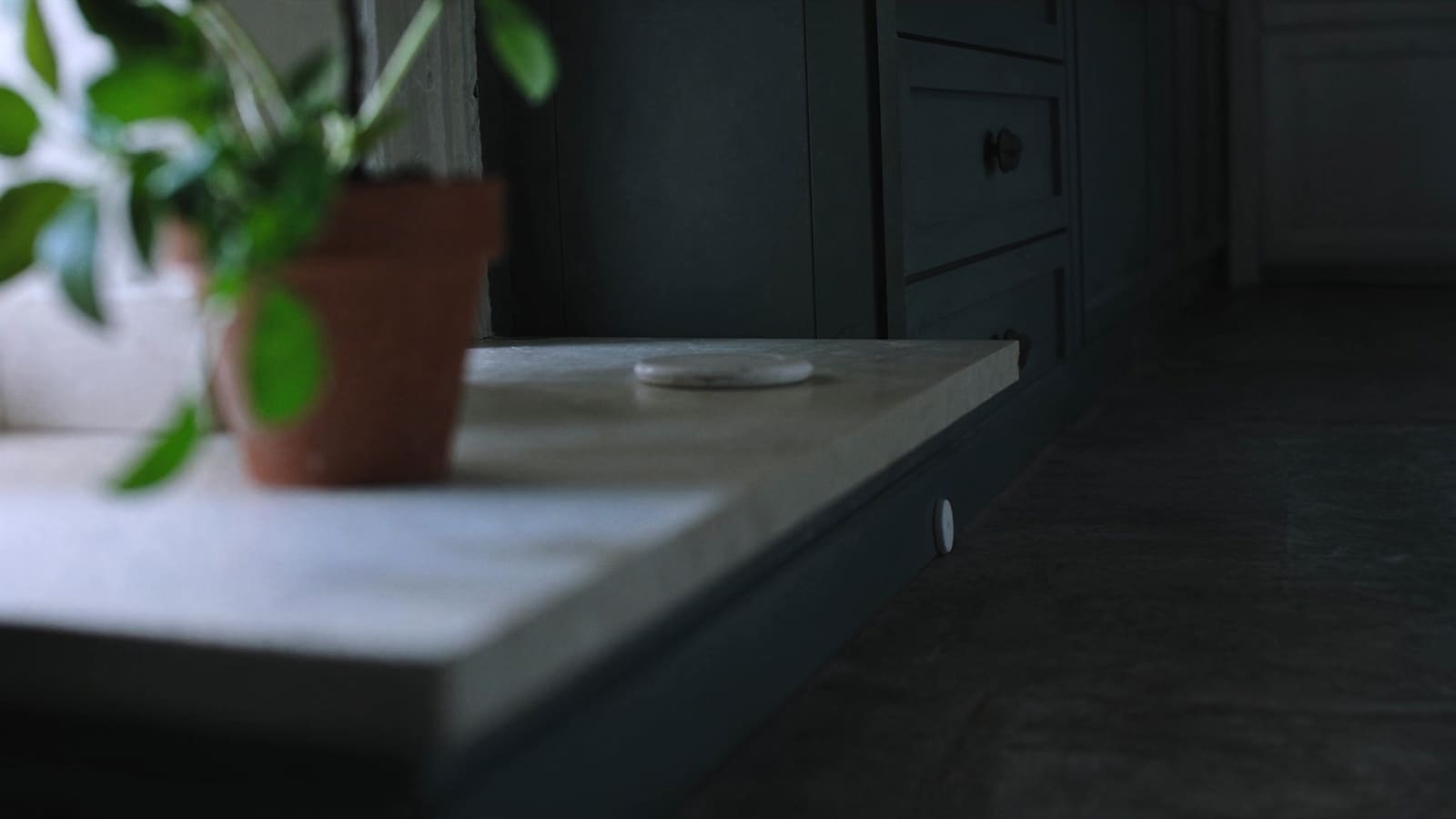
Discreet sensors placed around the home, on a refrigerator door, a medicine cabinet, or a bedroom, can quietly track daily patterns and flag when something seems off, such as a refrigerator that has not been opened all day. Done well, this kind of monitoring respects privacy while still giving family members an early signal if something may be wrong, rather than requiring constant check-in calls.
Video Calling Made Simple
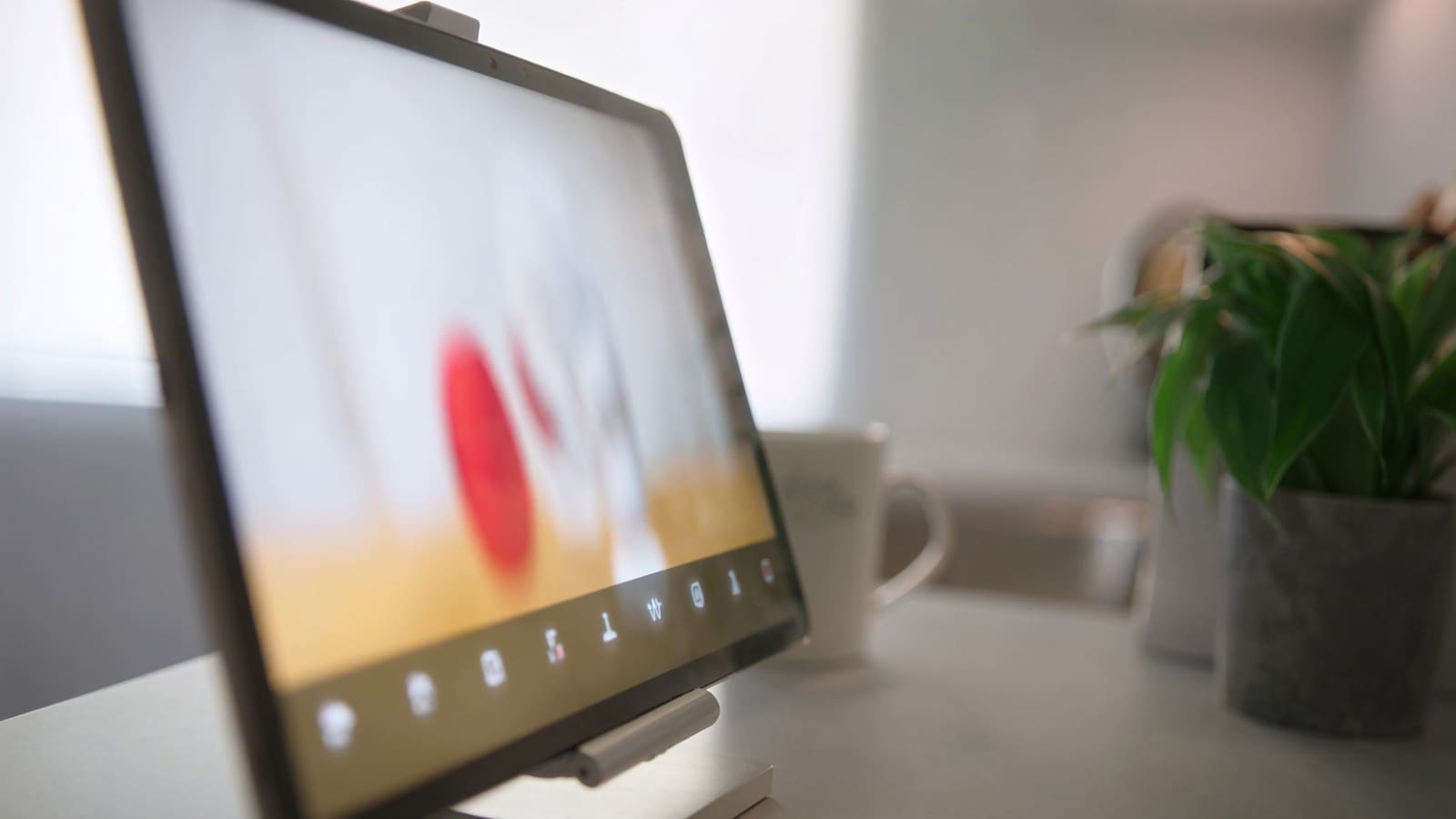
For many older adults, regular video calls with grandchildren or distant family are one of the biggest improvements to daily quality of life, but only if the technology itself does not become a barrier. Tablets and devices designed specifically for older users, with large buttons and one touch calling, have made this far more accessible than a standard smartphone or computer.
A Few Honest Cautions
Technology is a helpful layer of support, not a replacement for human presence. Researchers who study aging in place have raised a fair concern: that technology can sometimes make it easier for families to keep a loved one at home longer than is truly safe, simply because the alerts make everyone feel more comfortable than the day to day reality warrants. Devices work best alongside regular in-person care, not instead of it, and adoption still lags among older adults themselves, so patience and simple setup matter as much as the features.
Our Commitment at Circles of Life Healthcare Services LLC
We see technology as one more tool that works best alongside consistent, compassionate, in-person care, not as a substitute for it. When we create a care plan, we are glad to talk through how tools like medical alert devices or medication reminders might fit alongside the hands-on support our caregivers provide.
Because quality care is not just about adding years to life. It is about adding comfort, dignity, and meaning to every day.
Circles of Life Healthcare Services LLC
In-Home Care and Assistance
Compassionate Care. Reliable Support. Peace of Mind.
References
National Institute on Aging. (n.d.). Aging in place: Growing older at home. National Institutes of Health. https://www.nia.nih.gov/health/aging-place/aging-place-growing-older-home
Administration for Community Living. (n.d.). Eldercare Locator. https://eldercare.acl.gov