A Day in the Life: What Home Care Actually Looks Like
People often picture home care as a task list. In practice, most days look far more like an ordinary morning between two people who have come to know each other well. Here is what a typical day can actually look like.
People often picture home care as something clinical: a task list, a shift, a set of boxes to check. In practice, most days look far less like a chart and far more like an ordinary morning between two people who have come to know each other well. Here is what a typical day of non-medical in-home care can actually look like, start to finish.
Morning: Easing Into the Day
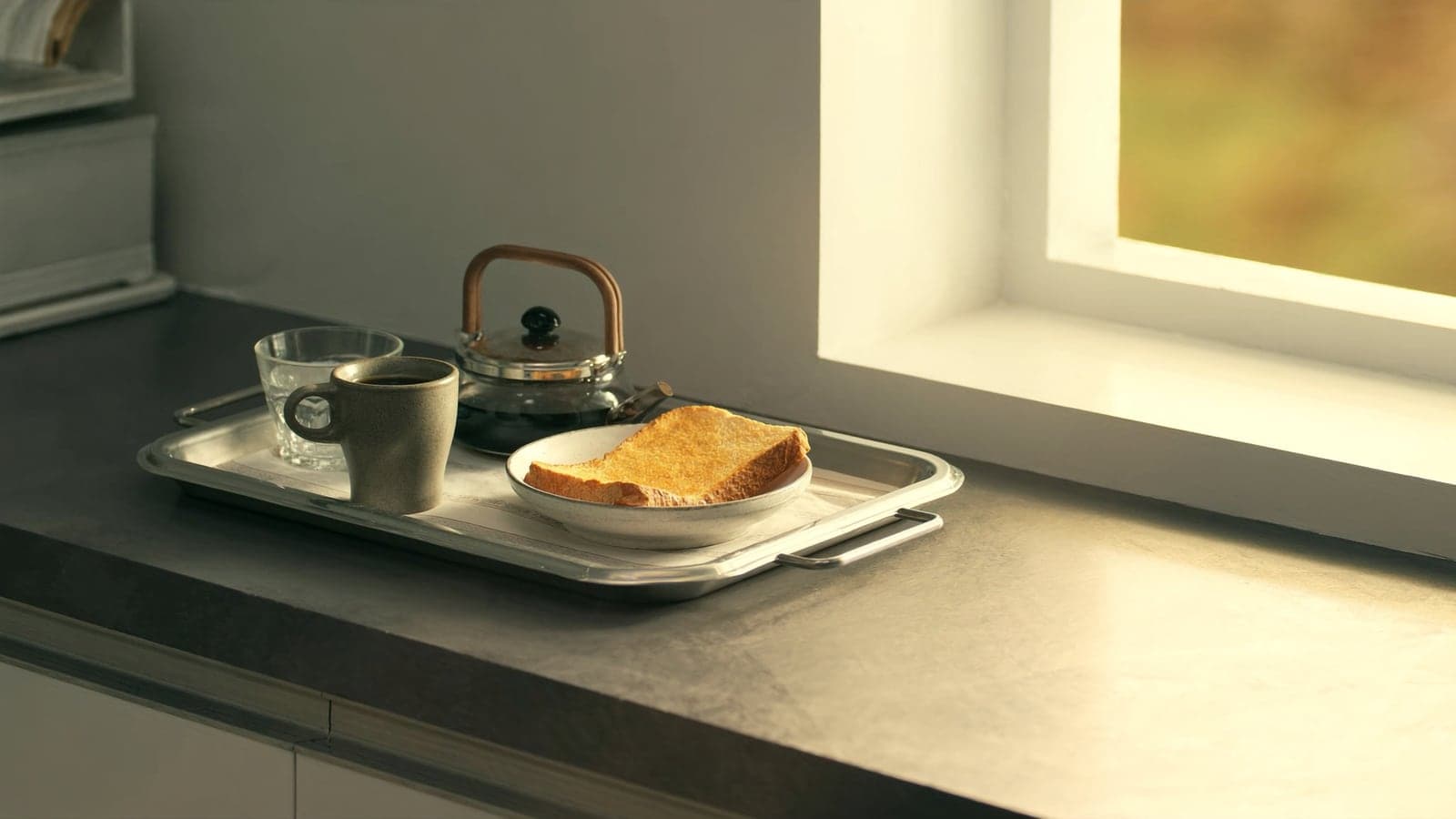
The visit usually starts quietly. A caregiver arrives a little before breakfast, and the first few minutes are rarely about tasks at all. How did you sleep. Did your knee bother you again. What sounds good this morning. Coffee gets started. Curtains get opened. Somewhere in that small talk, the caregiver is also taking stock: does anything seem off today, is there new unsteadiness, does the kitchen look the way it did yesterday.
Personal care, when it is needed, tends to happen here too, unhurried and handled with as much privacy and dignity as the moment allows. Getting dressed. Brushing hair. Whatever the morning routine has always been, the goal is to support it rather than replace it.
Midday: Errands, Chores, and Ordinary Life
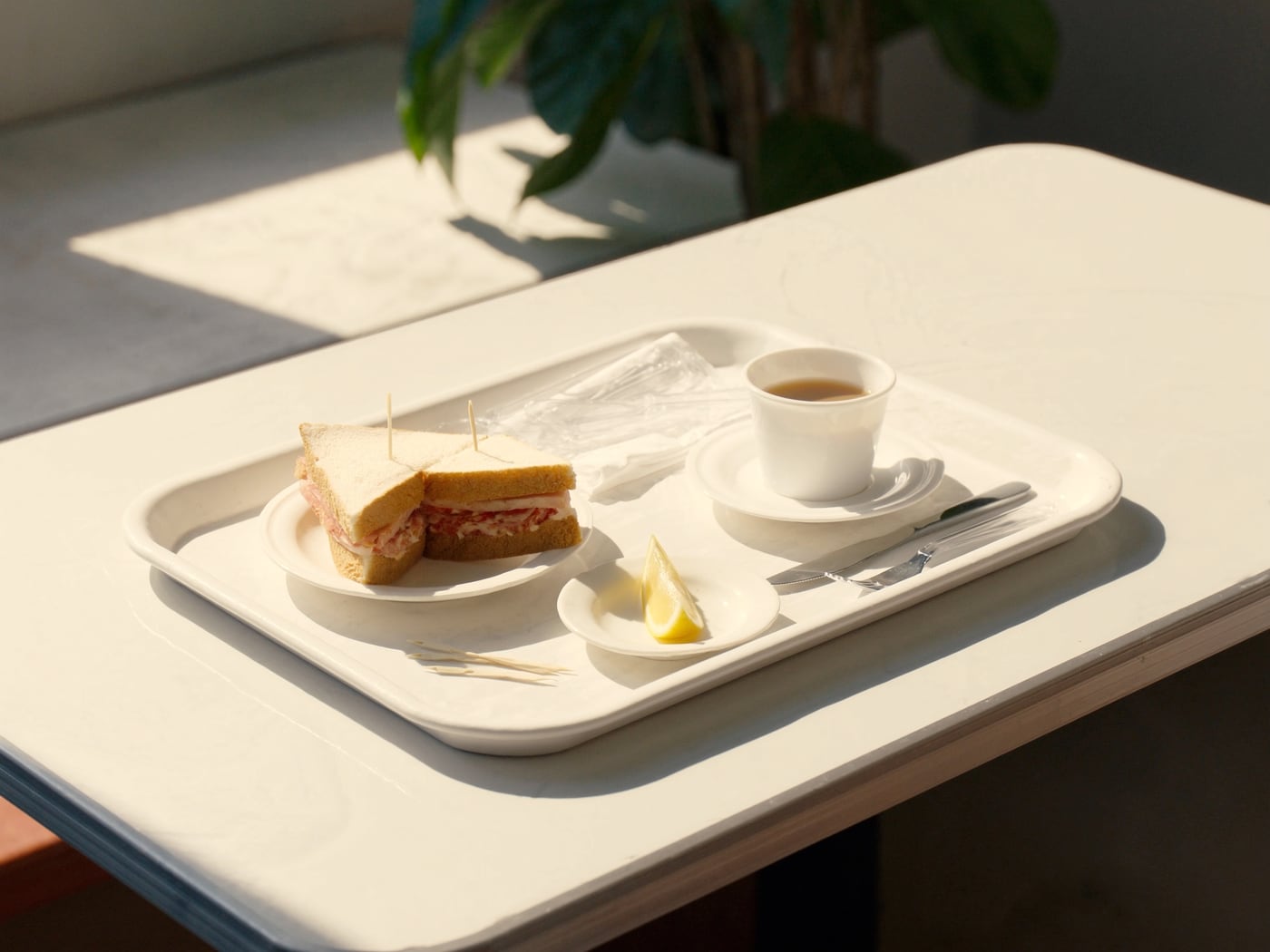
By midmorning the day usually turns toward whatever needs doing. Maybe that is a grocery run, with a list written in shaky but familiar handwriting. Maybe it is laundry, or tidying a kitchen that has become harder to keep up with alone. Maybe it is simply sitting together over lunch, talking about a grandchild's soccer game or a news story from the radio.
This is also often when a doctor's appointment happens, if one is scheduled. Getting to the car safely, sitting in the waiting room, remembering the three questions that mattered enough to write down beforehand. None of it makes headlines. All of it is the actual substance of staying independent at home.
A companion visit on a day with no appointments and no major chores can look almost uneventful from the outside. A puzzle. A walk around the block if the weather allows. A photo album pulled out because a name came up in conversation. It rarely looks like much, and it is often the part of the day a client remembers most fondly afterward.
Afternoon: The Quiet Middle Stretch
Afternoons tend to slow down. This is frequently rest time, and a caregiver's job shifts from doing things with someone to simply being present nearby, available if something is needed and unobtrusive if it is not. Light housekeeping might happen here: dishes, straightening a living room, watering plants that would otherwise get forgotten.
It is also, often without anyone naming it directly, when the real value of consistency shows up. The same caregiver, arriving on the same days, means small changes get noticed instead of missed. A bit more fatigue than usual. A meal left unfinished. A question asked for the third time in an hour. None of these things are dramatic on their own, but a familiar person who visits regularly is far more likely to catch the pattern than a family member checking in by phone from three states away.
Evening: Winding Down
As the light changes, the day starts closing. Dinner gets prepared, sometimes together, sometimes simply served once it is ready. Medication reminders happen here if that is part of the care plan, gentle prompts rather than instructions. The day's small stories get exchanged one more time before the caregiver leaves: what was good about today, what felt hard, what tomorrow might need to look like differently.
Before heading out, there is usually a final walk through: lights on where they should be, doors secured, nothing left on the stove, a note left for the next caregiver or family member about anything worth knowing. Then the door closes, and the quiet, unremarkable, genuinely important work of the day is done.
Why the Ordinary Parts Matter Most
None of this looks dramatic written out, and that is rather the point. Good non-medical home care is not defined by big interventions. It is defined by hundreds of small, consistent moments: a noticed change, a shared lunch, a safer walk to the car, a door checked before leaving. At Circles of Life Healthcare Services LLC, this ordinary rhythm, repeated reliably day after day, is exactly what we mean when we talk about compassionate, dependable care.
Circles of Life Healthcare Services LLC
In-Home Care and Assistance
Compassionate Care. Reliable Support. Peace of Mind.