Aging and Illness Are Associated With Increased Vulnerability
Vulnerability does not mean weakness or losing the right to make your own decisions. It means certain physical, emotional, cognitive, and social changes deserve attention early, before a crisis forces the family to decide in a hurry.
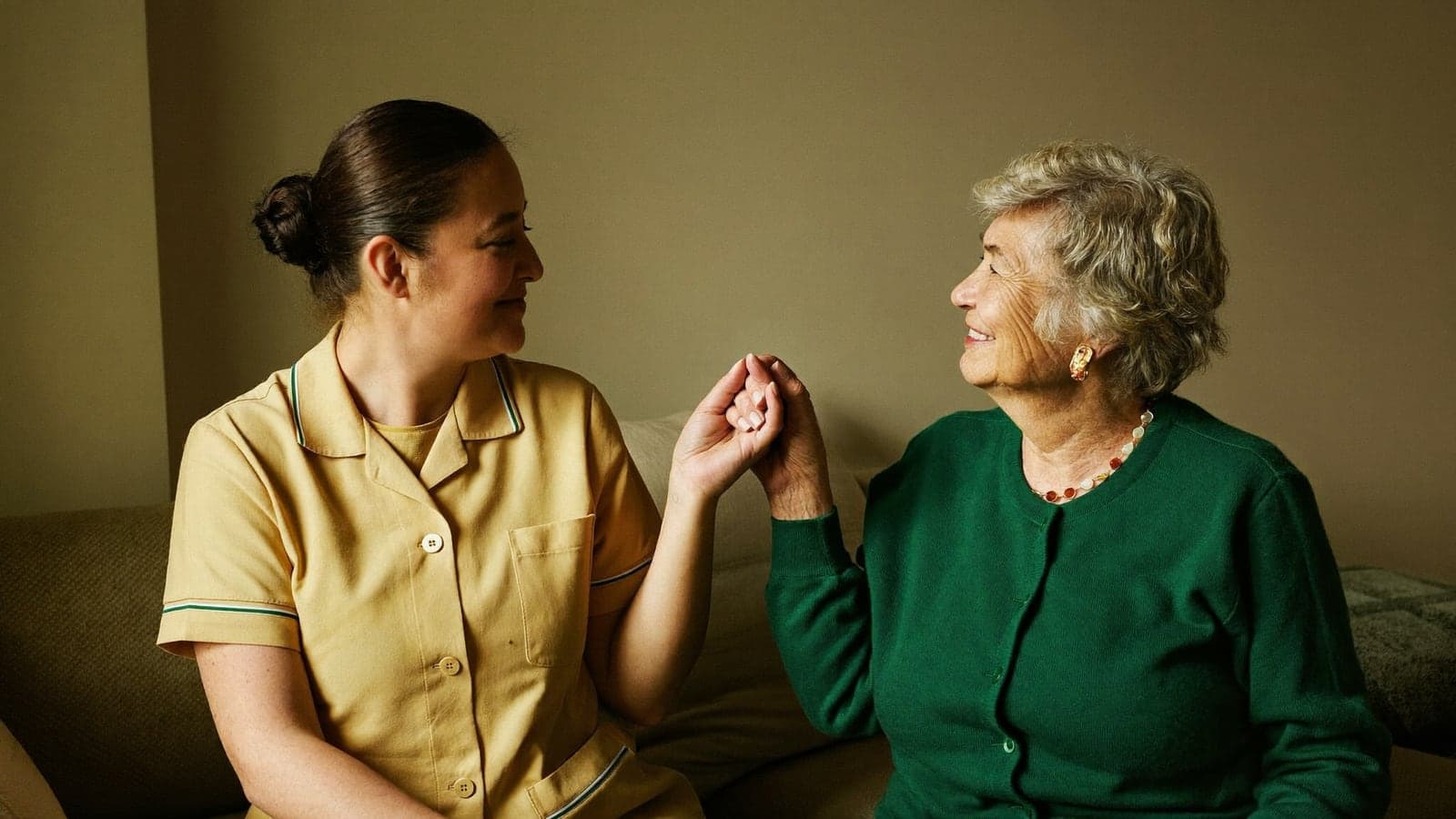
Aging is a natural and inevitable part of life. It is a journey that can bring wisdom, experience, deeper relationships, and a greater appreciation for life. At the same time, growing older can bring changes that affect a person's physical strength, health, mobility, memory, emotional well-being, and ability to perform everyday activities independently. When aging occurs alongside chronic illness, disability, or recovery from a serious health condition, these challenges can become more significant. As a result, aging and illness are often associated with increased vulnerability and a greater need for appropriate support.
Being vulnerable does not mean that an older adult is weak, helpless, or incapable of making decisions. Vulnerability simply means that certain physical, emotional, cognitive, social, or environmental factors may place a person at greater risk of injury, isolation, declining health, or difficulty meeting everyday needs. Understanding these vulnerabilities allows families and caregivers to recognize changes early and provide appropriate assistance without unnecessarily taking away a person's independence.
Physical Changes and Increased Vulnerability
One of the most noticeable changes associated with aging is a gradual decline in physical functioning. Muscle mass and strength may decrease, joints can become less flexible, and balance and coordination may change. Vision and hearing can also decline. These changes can make everyday activities such as walking, climbing stairs, bathing, dressing, cooking, or getting in and out of bed more difficult.
Falls are an especially important concern for older adults. According to the Centers for Disease Control and Prevention (CDC, 2024), falls are a leading cause of injury among adults aged 65 and older. A fall that might cause only minor discomfort in a younger adult can result in a fracture, hospitalization, reduced mobility, or loss of independence for an older person.
Illness can further increase physical vulnerability. Conditions such as arthritis, diabetes, cardiovascular disease, stroke, Parkinson's disease, and other chronic illnesses may affect strength, endurance, balance, and the ability to complete activities of daily living. Recovery after surgery, hospitalization, or illness can also take time. During these periods, a person who was previously independent may temporarily require assistance with personal care, meal preparation, transportation, mobility, or household activities.
This is why families should pay attention to small changes. Difficulty getting out of a chair, holding onto furniture while walking, avoiding stairs, struggling with bathing, or experiencing repeated falls may indicate that additional assistance is needed.

Chronic Illness Can Change Everyday Life
Many older adults live with one or more chronic health conditions. Managing these conditions can involve medical appointments, dietary changes, medications, physical limitations, and lifestyle adjustments. Although many people successfully manage chronic illnesses while remaining independent, the combination of aging and illness can make everyday responsibilities increasingly demanding.
For example, an older adult experiencing chronic pain may find cooking and cleaning exhausting. Someone with limited mobility may have difficulty shopping for groceries or attending appointments. A person recovering from surgery may be instructed to limit certain activities and may need temporary assistance around the home.
These situations do not necessarily mean that the individual needs to leave home. In many cases, appropriate support can help bridge the gap between what a person can safely do independently and the activities with which they need assistance.
Cognitive Changes and Safety
Cognitive health is another important consideration. Normal aging may involve occasional forgetfulness, such as temporarily forgetting a name or misplacing an item. However, significant or progressive changes in memory, judgment, reasoning, or orientation can create additional safety concerns.
Conditions such as Alzheimer's disease and other forms of dementia can affect a person's ability to remember appointments, recognize hazards, prepare meals safely, manage daily routines, or navigate familiar environments. According to the National Institute on Aging (NIA), dementia can progressively interfere with thinking, remembering, reasoning, and everyday functioning.
Families may notice repeated questions, confusion about familiar routines, difficulty completing previously manageable tasks, changes in judgment, or increased dependence on others. These changes should not automatically be dismissed as a normal part of getting older. Significant cognitive changes deserve appropriate medical evaluation.
For individuals experiencing cognitive decline, a supportive home environment and consistent routines can become increasingly important. Compassionate supervision and assistance can help reduce unnecessary risks while preserving as much independence as possible.
Emotional Vulnerability Should Not Be Overlooked
Aging and illness affect more than the body. They can also influence emotional well-being.
An older adult may experience the loss of a spouse, siblings, friends, independence, employment, mobility, or familiar routines. Someone who once drove everywhere may suddenly depend on others for transportation. A person who enjoyed gardening, attending church, shopping, or visiting friends may become less able to participate because of illness or limited mobility.
These losses can be emotionally difficult.
The CDC has identified loneliness and social isolation among older adults as important public health concerns because meaningful social connections are associated with health and well-being (CDC, 2024). An older adult can have a safe home, food, and medication and still experience significant loneliness.
This is one reason companionship is an important component of non-medical home care. Sometimes meaningful care looks like sharing a conversation, taking a safe walk, helping someone participate in a favorite activity, accompanying the person on an outing, or simply providing reassuring human presence.
Social Isolation Can Increase Vulnerability
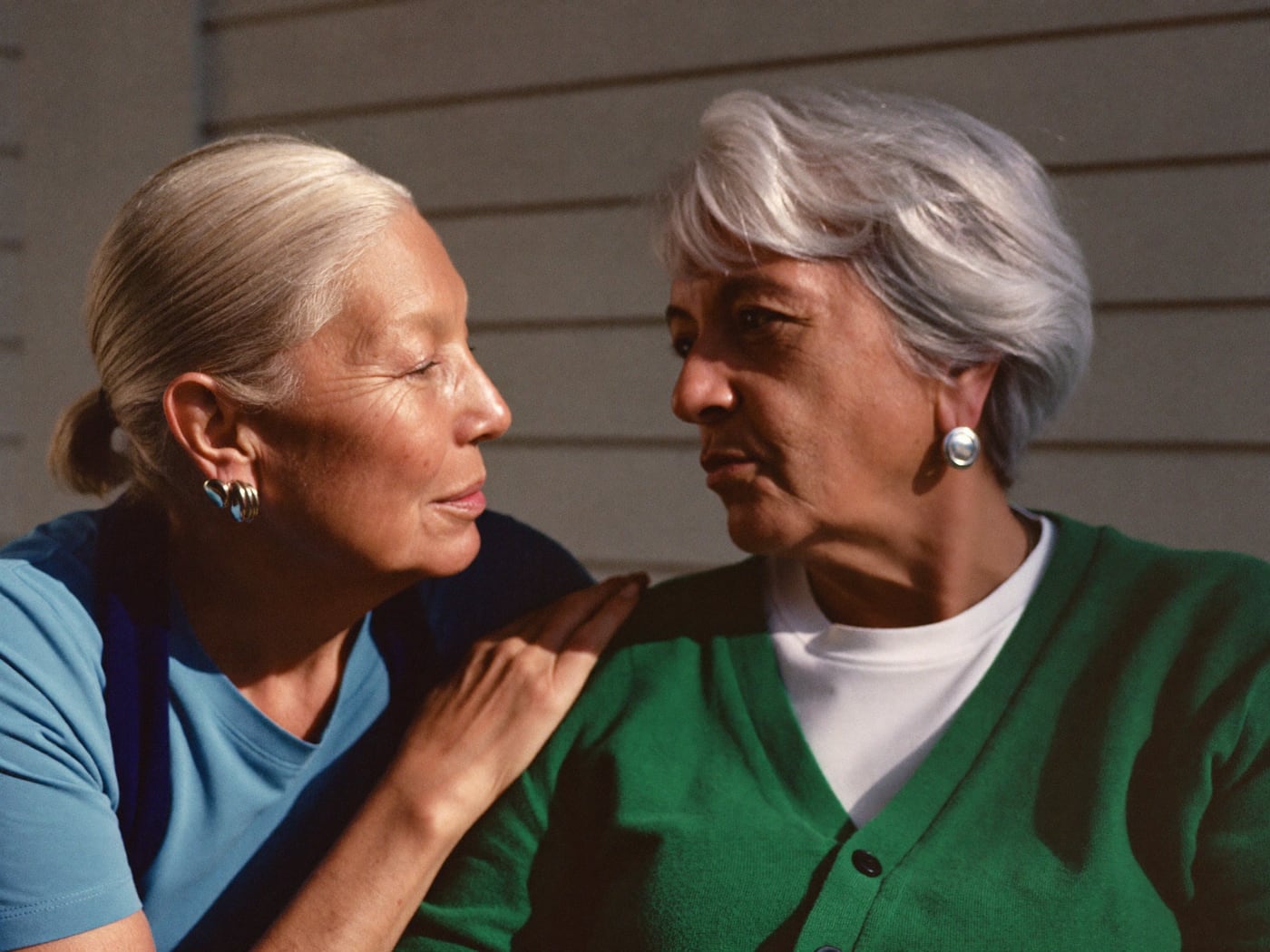
Social connections often change with age. Retirement may reduce daily interaction with coworkers. Friends or spouses may pass away. Adult children may live in other cities or states. Health problems may make driving difficult, and limited mobility may make social activities harder to attend.
Over time, an older adult who was once socially active can become increasingly isolated.
Family members may not immediately recognize this problem, particularly when they live far away. Regular phone calls are valuable, but they may not reveal everything occurring inside the home. An individual may tell family members that everything is fine while struggling with meals, household tasks, personal hygiene, mobility, or loneliness.
Regular interaction with trusted family members, friends, community organizations, and caregivers can provide both companionship and an additional layer of support.
Dependence Can Increase the Risk of Abuse and Neglect
Increased vulnerability can unfortunately make some older adults more susceptible to abuse, exploitation, or neglect. Older individuals who depend on others for transportation, finances, personal care, housing, or communication may have difficulty protecting themselves or reporting mistreatment.
The National Institute on Aging describes elder abuse as including physical, emotional, sexual, and financial abuse as well as neglect and abandonment. Financial exploitation is another serious concern because some older adults may be targeted through scams, manipulation, or misuse of their money or property.
Families should remain attentive to unexplained injuries, sudden behavioral changes, fear around a particular person, unusual financial activity, poor hygiene, lack of food, or an unexplained decline in living conditions.
Respectful care should always protect the individual's dignity, privacy, safety, choices, and rights.
Family Caregivers Can Also Become Vulnerable
When an older or ill person begins needing more assistance, family members often become caregivers. A spouse may begin helping with bathing and dressing. An adult child may coordinate appointments, transportation, meals, shopping, and household responsibilities while also managing a career and raising children.
Family caregiving can be meaningful, but it can also become physically and emotionally demanding.
Caregiver stress may develop gradually. A caregiver may begin sleeping less, neglecting personal appointments, withdrawing socially, or feeling constantly overwhelmed. When caregivers become exhausted, both the caregiver and the person receiving care may be affected.
Seeking professional assistance should not be viewed as abandoning a loved one. Sometimes the most responsible decision a family can make is recognizing that one person cannot safely do everything alone.
Respite care and other forms of in-home support can give family caregivers opportunities to rest, attend appointments, work, spend time with other family members, or simply recharge while knowing their loved one has appropriate support.
Recognizing When Additional Help May Be Needed
Families should not necessarily wait for a crisis before discussing care. Changes in daily functioning can provide early indications that additional support may be helpful.
A loved one may begin wearing the same clothes repeatedly, eating poorly, allowing household chores to accumulate, missing appointments, becoming increasingly isolated, experiencing falls, or struggling with personal hygiene. Family caregivers may also notice that providing care has become more demanding than they can safely manage.
One isolated incident may not necessarily indicate a serious problem. However, repeated or progressive changes deserve attention.
The goal should be early recognition rather than waiting until a preventable fall, hospitalization, or caregiver crisis forces the family to make decisions quickly.
Supporting Independence Rather Than Taking It Away
One of the greatest concerns many older adults have about accepting help is the fear of losing independence. They may believe that admitting they need assistance means someone else will begin controlling their lives.
Quality care should accomplish the opposite.
Person-centered support recognizes what an individual can still do rather than focusing only on limitations. A caregiver may provide assistance with bathing while allowing the individual to choose clothing and complete grooming independently. Someone may need transportation to the grocery store but still want to select and purchase their own groceries. Another individual may need help preparing meals but remain capable of participating in simple food preparation.
Independence does not always mean doing everything alone. Sometimes independence means having the right amount of support to continue making choices and living safely.
The Role of In-Home Care
For many individuals, home represents familiarity, memories, comfort, and independence. Appropriate in-home support can help older adults and individuals experiencing illness continue living in familiar surroundings while receiving assistance with everyday needs.
Non-medical in-home care may include personal care, companionship, homemaker services, meal preparation, transportation, errands, assistance with routine daily activities, and respite for family caregivers. The exact level of assistance should depend on the person's individual needs and preferences.
Care needs may also change. Someone recovering from surgery may require assistance for only a short period, while another person living with a progressive condition may require gradually increasing support. Regular communication among the individual, family members, caregivers, and appropriate healthcare professionals can help ensure that support continues to match changing needs.
Preserving Dignity Through Compassionate Care
Perhaps the most important principle in caring for an aging or ill person is remembering that vulnerability does not reduce human worth.
A person may need assistance bathing, but that person still deserves privacy. Someone may need help walking, but still deserves patience rather than being rushed. A person experiencing memory loss may repeat the same question several times, but still deserves a respectful response.
Compassionate caregiving means seeing the person before seeing the limitation.
It means listening to preferences, respecting routines, encouraging independence, communicating patiently, and providing assistance without making the individual feel like a burden.
Planning Before a Crisis
Families often begin searching for care after something has already happened, such as a fall, hospitalization, sudden illness, caregiver exhaustion, or a noticeable decline. While emergencies cannot always be prevented, planning earlier can make transitions easier.
Families can begin by having respectful conversations with aging loved ones about their preferences. What activities are becoming difficult? What kind of assistance would they feel comfortable receiving? What is most important to them about remaining at home?
These conversations can help families identify small interventions before needs become overwhelming. Installing safety equipment, arranging transportation, increasing social interaction, receiving occasional homemaking assistance, or introducing a caregiver for a few hours may help address concerns while preserving independence.
Aging With Safety, Dignity, and Support
Aging and illness can increase vulnerability, but vulnerability should never be confused with helplessness. Older adults and individuals experiencing illness continue to have strengths, preferences, experiences, relationships, and the right to participate in decisions affecting their lives.
The purpose of care is not simply to perform tasks. Good care helps protect safety, dignity, independence, comfort, connection, and quality of life.
At Circles of Life Healthcare Services LLC, we understand that every person's needs and circumstances are different. Compassionate in-home support can provide families with reassurance while helping their loved ones continue living with dignity in the comfort and familiarity of home.
Aging is a part of life's journey, and illness may sometimes make that journey more difficult. However, with appropriate support, compassion, and respect, vulnerability does not have to mean the loss of independence. Sometimes a helping hand is exactly what allows a person to continue living life on their own terms.
Circles of Life Healthcare Services LLC
In-Home Care and Assistance
Compassionate Care. Reliable Support. Peace of Mind.
References
Centers for Disease Control and Prevention. (2024). About older adult fall prevention. U.S. Department of Health and Human Services. https://www.cdc.gov/falls/about/index.html
Centers for Disease Control and Prevention. (2024). Social connection. U.S. Department of Health and Human Services. https://www.cdc.gov/social-connectedness/about/index.html
National Institute on Aging. What is dementia? Symptoms, types, and diagnosis. National Institutes of Health. https://www.nia.nih.gov/health/alzheimers-and-dementia/what-dementia-symptoms-types-and-diagnosis
National Institute on Aging. Elder abuse. National Institutes of Health. https://www.nia.nih.gov/health/elder-abuse
National Institute on Aging. What do we know about healthy aging? National Institutes of Health. https://www.nia.nih.gov/health/healthy-aging/what-do-we-know-about-healthy-aging