Breast Cancer Awareness Month: Awareness, Action, and Compassionate Care
October is Breast Cancer Awareness Month, a time to honor those affected, encourage screening conversations, and remember that behind every diagnosis is a person with a family and hopes for the future.
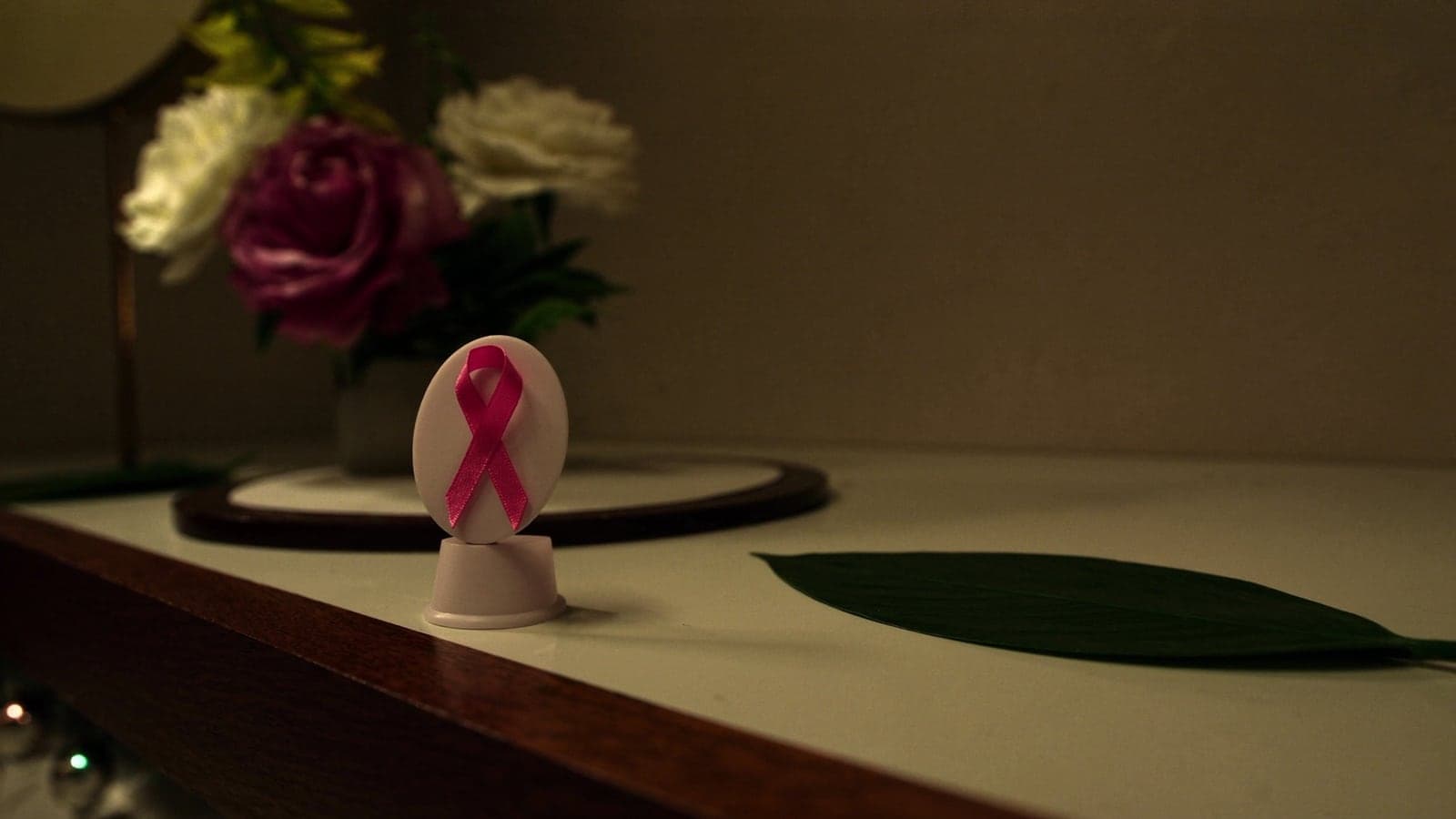
October is Breast Cancer Awareness Month, a time to honor those affected by breast cancer, remember lives lost, and encourage conversations about screening and support. Behind every diagnosis is a person with a family, responsibilities, and hopes for the future.
At Circles of Life Healthcare Services LLC, we believe compassionate care begins with awareness and continues through practical, everyday support.
Make Time for Screening
Early breast cancer often causes no symptoms. Mammograms can help find cancer before a lump can be felt, making screening an important part of preventive care (National Cancer Institute, n.d.).
The U.S. Preventive Services Task Force recommends a mammogram every two years for women ages 40 to 74 at average risk. People at higher risk may need a different screening plan. For adults 75 and older, screening decisions should be discussed with a healthcare provider because evidence about the benefits and harms is insufficient (USPSTF, 2024).
Ask your healthcare provider about your family history, personal risk, and when to schedule your next mammogram.

Know Which Changes to Report
Pay attention to changes in how your breasts normally look and feel. Contact a healthcare provider if you notice:
- A new lump in the breast or underarm.
- Changes in breast size or shape.
- Dimpling, swelling, redness, or unusual skin changes.
- A nipple that newly turns inward.
- Nipple discharge other than breast milk, especially bloody discharge.
These changes do not necessarily mean cancer, but they deserve medical evaluation. Do not wait for your next routine mammogram to report a new symptom (National Cancer Institute, n.d.).
Support the Person Behind the Diagnosis
Support can begin with a simple question: "What would make today easier for you?"
Offer specific help, such as preparing a meal, providing transportation, running errands, or sitting with someone who wants company. Listen without pressuring them to stay positive or share more than they feel comfortable sharing. Respect their privacy and choices.
Family caregivers also need care. A few hours of dependable assistance can give them time to rest, attend appointments, or manage their own responsibilities.

How Non-Medical Home Care Can Help
At Circles of Life Healthcare Services LLC, our non-medical home care services can support daily routines through:
- Assistance with bathing, dressing, and other personal care needs.
- Meal preparation and light housekeeping.
- Companionship, errands, and transportation.
- Respite care for family caregivers.
We work within the agreed care plan while medical treatment remains with the person's healthcare team. Our goal is to help individuals feel supported and maintain dignity at home.
Turn Awareness Into Action
This October, take one meaningful step: discuss screening with your healthcare provider, help a loved one arrange an appointment, or offer practical support to someone living with breast cancer.
A pink ribbon can start a conversation. Compassionate action can make someone's day easier.
Circles of Life Healthcare Services LLC
In-Home Care and Assistance
Compassionate Care. Reliable Support. Peace of Mind.
References
National Cancer Institute. (n.d.). Mammograms. https://www.cancer.gov/types/breast/screening/mammograms
National Cancer Institute. (n.d.). Signs and symptoms of breast cancer. https://www.cancer.gov/types/breast/symptoms
U.S. Preventive Services Task Force. (2024). Breast cancer: Screening. https://www.uspreventiveservicestaskforce.org/uspstf/recommendation/breast-cancer-screening