Companion Care vs. Personal Care: Which Does Your Loved One Actually Need?
Most families have never had to draw the line between companion care and personal care before, and there is no reason they should have. Here is what each one actually means, and how to figure out which fits.
A call to a home care agency usually starts the same way. A family describes their loved one's situation, and somewhere in that first conversation comes a question that catches most people off guard: do you think you need personal care or companion care? Most families have never had to draw that line before, and honestly, there is no reason they should have. Here is what each one actually means, and how to figure out which fits your situation.
What Personal Care Actually Means
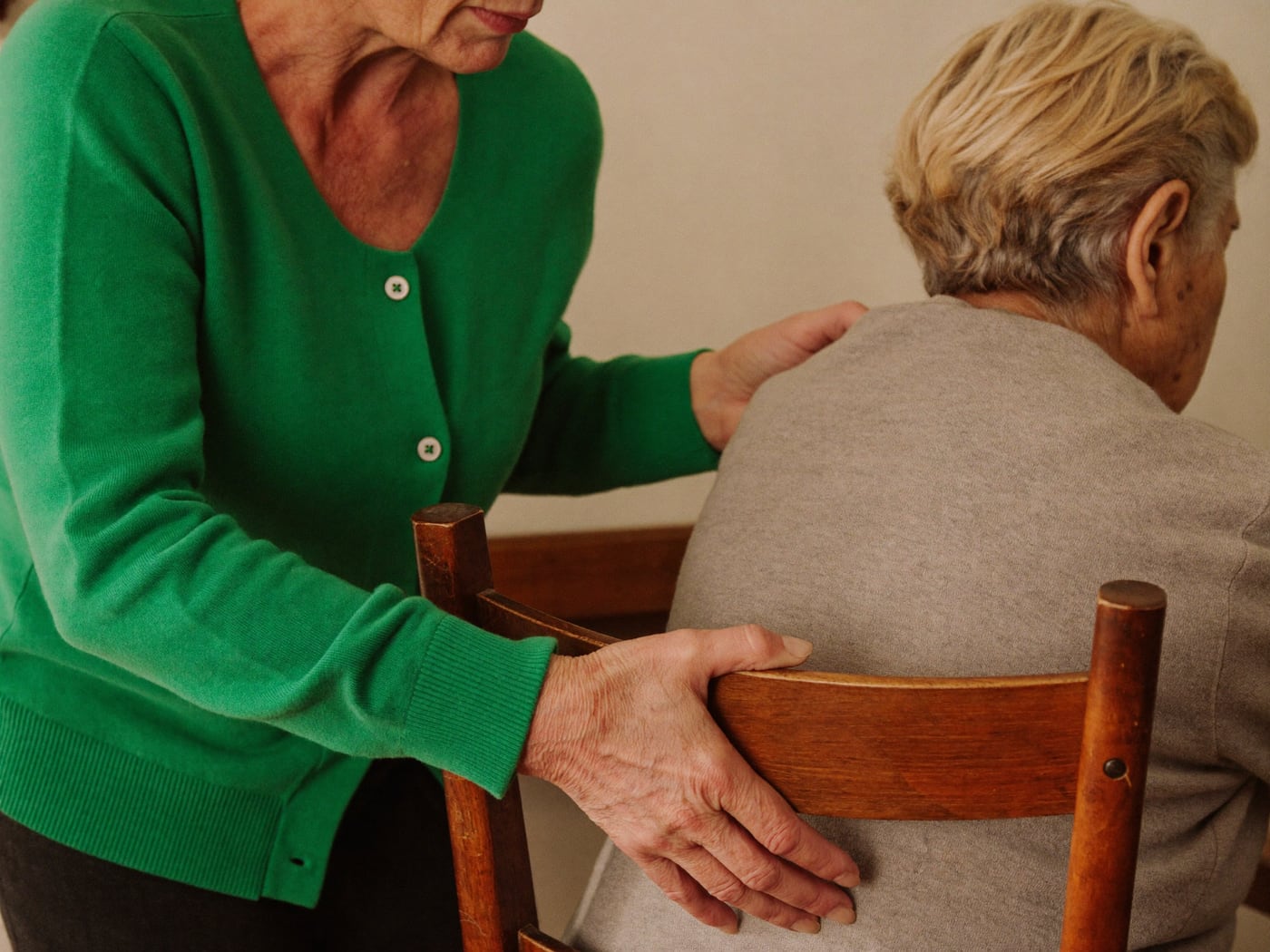
Personal care covers the hands on tasks that keep someone safe, clean, and comfortable day to day. Professionals often call these activities of daily living, and they include bathing, dressing, using the toilet, moving safely from a bed to a chair, and eating. The National Institute on Aging (2023) describes personal care as help with these everyday activities, along with supervision to make sure a person stays safe while doing them.
This is the kind of support someone needs when a task itself has become physically difficult or unsafe to do alone, not just inconvenient. Getting in and out of a shower, for example, might be something a person could technically still manage, but not without a real risk of a slip.
What Companion Care Actually Means
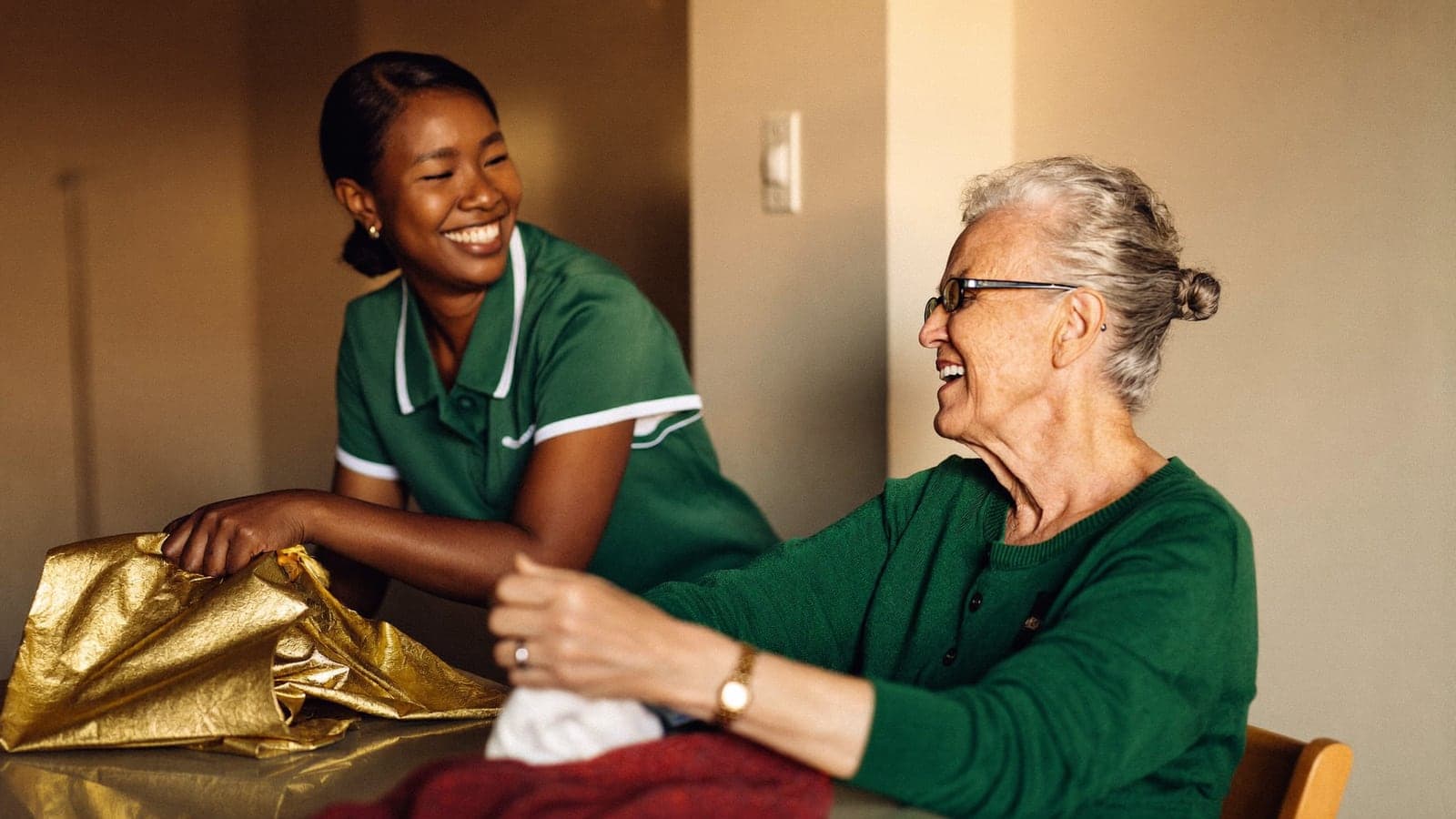
Companion care covers the tasks that keep a home running and a person connected, without involving hands on physical assistance. Think conversation, meal preparation, light housekeeping, errands, transportation to appointments, and simply having someone present in the house. These are often called instrumental activities of daily living, the more independent tasks that still require planning, memory, and mobility to manage well.
The National Institute on Aging (2023) lists services like transportation, regular check ins, and help around the house among the kinds of support that allow older adults to keep living safely at home. None of it requires touching or physically assisting the person, but all of it matters just as much.

Why the Line Between Them Is Not Always Clear
In real life, these two categories blur together constantly. A companion caregiver preparing dinner might notice their client seems unsteady on their feet that day. A personal care aide helping with a shower might spend the other three hours of the visit chatting, running an errand, and prepping lunch. Good home care rarely fits into one box, and the best caregivers move fluidly between both kinds of support depending on what the moment calls for.
The distinction matters mostly for planning purposes: figuring out how many hours are needed, what kind of training a caregiver should have, and what a family should expect a typical visit to look like.
Signs Your Loved One May Need Personal Care
A few common signs point toward needing hands on assistance. These include difficulty bathing or getting dressed without help, unsteadiness getting in or out of a chair or bed, skipped meals because eating alone has become physically hard, and visible bruises or near falls that suggest balance has become a real concern.
None of these signs are something to feel embarrassed about. They are simply the body changing, and they are exactly the kind of thing personal care is designed to support.
Signs Your Loved One May Need Companion Care
Other signs point more toward needing companionship and help managing the household rather than physical assistance. A refrigerator that keeps ending up empty, mail piling up unopened, missed appointments, or a loved one who has simply grown quieter and more withdrawn than they used to be are all worth paying attention to.
Loneliness in particular is easy to miss because it does not look like an emergency. It just looks like someone spending a lot of time alone, which can be harder for families to notice from the outside than a physical struggle would be.
Many Families Need Both, Just in Different Amounts
It is rarely all or nothing. A parent recovering from a hospital stay might need heavy personal care support for a few weeks and then taper down to mostly companion care as they regain strength. Someone in the earlier stages of a chronic condition might need almost entirely companion care now, with personal care needs growing gradually over the following year or two.
The right approach is not choosing one category and sticking with it forever. It is checking in regularly and adjusting the mix as circumstances change, which they almost always do over time.
How Circles of Life Helps You Figure Out the Right Fit
At Circles of Life Healthcare Services LLC, we do not ask families to diagnose their own situation before calling us. Our team talks through what a typical day looks like for your loved one, what has become difficult, and what still feels manageable, then builds a care plan around the actual person rather than a rigid category. Whether that means a caregiver focused on bathing and mobility, one focused on meals and companionship, or someone comfortable doing a bit of both, the goal is the same: support that fits the person, not the paperwork.
Conclusion
Personal care and companion care are not competing options. They are two ends of the same spectrum of support, and most families end up somewhere in the middle. What matters most is paying attention to what your loved one actually struggles with day to day, and being willing to adjust as those needs shift. That is a conversation worth having early, before a crisis forces the decision to be made in a hurry.
Circles of Life Healthcare Services LLC
In-Home Care and Assistance
Compassionate Care. Reliable Support. Peace of Mind.
References
National Institute on Aging. (2023). What is long-term care? https://www.nia.nih.gov/health/long-term-care/what-long-term-care
National Institute on Aging. (2023). Services for older adults living at home. https://www.nia.nih.gov/health/caregiving/services-older-adults-living-home
National Institute on Aging. (2023). Caregiving. https://www.nia.nih.gov/health/caregiving
Family Caregiver Alliance. (2024). Definitions. https://www.caregiver.org/resource/definitions-0/