Fall Prevention at Home: A Room by Room Safety Checklist
Most falls happen doing ordinary things in familiar rooms, not during anything risky. Here is a simple, room by room walk through to catch the small hazards before they cause an injury.
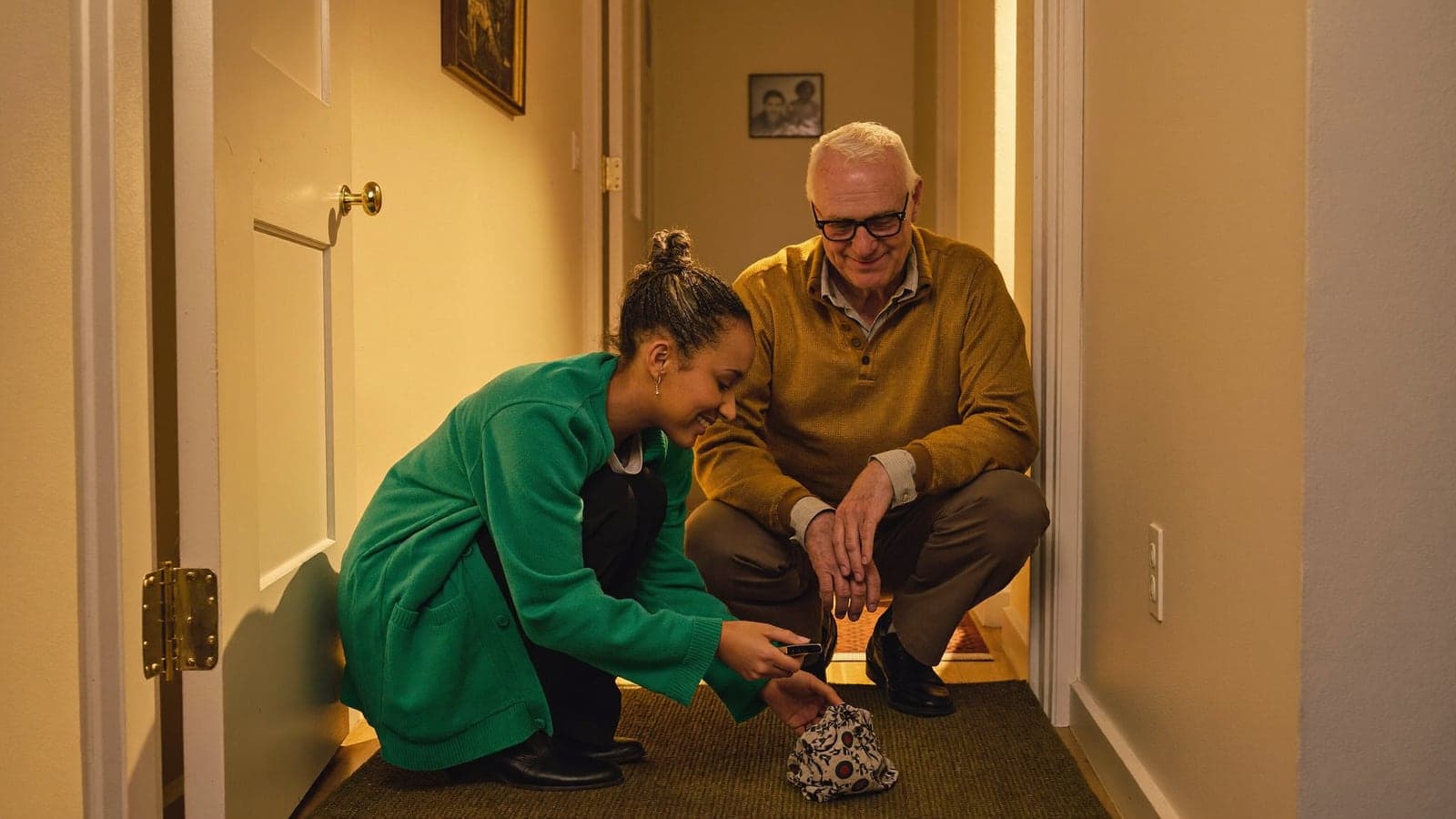
Most falls do not happen while someone is doing anything risky. They happen on the way to the bathroom at night, reaching for a coffee mug on a high shelf, or stepping over a phone charger cord that has been sitting in the same hallway spot for months. According to the CDC (2024), more than one in four adults over 65 falls each year, and over three million are treated in emergency rooms for fall related injuries. The good news is that most home hazards are fixable, often in an afternoon and often for very little money.
Why Falls Happen More Often at Home Than You Would Think
Home feels safe because it is familiar, and that familiarity is exactly what makes it risky. People stop noticing the things they have walked past a thousand times: the curled edge of a rug, the dim bulb in the hallway, the step down into the sunroom. The CDC's STEADI program (2024) notes that fall risk climbs with age due to a mix of factors including muscle weakness, balance changes, vision changes, and the layout of the home itself.
None of this means getting older automatically means falling. It means the home environment deserves the same attention families give to diet, medication, and doctor visits. A room by room walk through is one of the simplest ways to catch problems before they cause an injury.
The Entryway and Hallways
This is where people move fastest and pay the least attention, which makes it one of the more overlooked areas in the home. A few things worth checking include loose or curled rugs, cords running across walking paths, cluttered floors, and lighting that leaves any part of the path dim. The National Institute on Aging (2023) recommends keeping stairs and walkways clear and well lit as one of the first steps in fall proofing a home.
A simple fix that makes a real difference is a night light plugged in near the entry and along any hallway that leads to a bedroom or bathroom. Motion activated versions remove the need to remember to turn anything on.

The Bathroom
Wet, slick, and full of hard edges, the bathroom is consistently one of the more common places for falls to happen. Grab bars near the toilet and inside the shower or tub make a meaningful difference, along with a non slip mat and a shower chair for anyone who tires easily standing. The NIA (2023) specifically lists grab bars, non slip mats, and adequate lighting among the most effective bathroom safety changes a family can make.
A raised toilet seat is a small, inexpensive addition that can make sitting down and standing up noticeably easier and safer.
The Kitchen
Reaching for something on a high shelf while standing on a wobbly stool is one of the more common ways an otherwise capable adult ends up hurt. Moving frequently used items to shoulder height, keeping the floor free of spills, and swapping a shaky step stool for a sturdy one with a handrail all reduce risk without changing how the kitchen is used day to day.
Good lighting matters here too. A kitchen that looks bright during the day can be dim enough at night to hide a spill or a dropped item on the floor.
The Bedroom
A lamp within easy reach of the bed, a clear path to the bathroom, and a bed at a height that allows feet to touch the floor comfortably are three of the simplest bedroom changes with an outsized safety payoff. Many falls happen during the groggy walk to the bathroom in the middle of the night, so a night light along that specific path is worth the few dollars it costs.
Stairs
Sturdy railings on both sides, even lighting from top to bottom, and a clear rule about not carrying too much at once all matter here. Contrast strips on the edge of each step can help make individual steps easier to see, which is especially useful for anyone with changes in depth perception.
Beyond the Checklist
Home modifications solve part of the problem, but not all of it. Footwear matters more than people expect. Loose slippers and socks without grip on hard floors are a common contributor to slips. Vision changes that go uncorrected can hide the exact hazards this checklist is trying to catch. And certain medications can affect balance or cause dizziness, which is worth mentioning to a doctor rather than guessing about on your own.
None of these are things a family needs to solve alone. A second pair of eyes, whether that is a family member visiting more often or a caregiver spending regular time in the home, tends to catch things that get missed when you are the one living there every day.
How Circles of Life Helps Prevent Falls
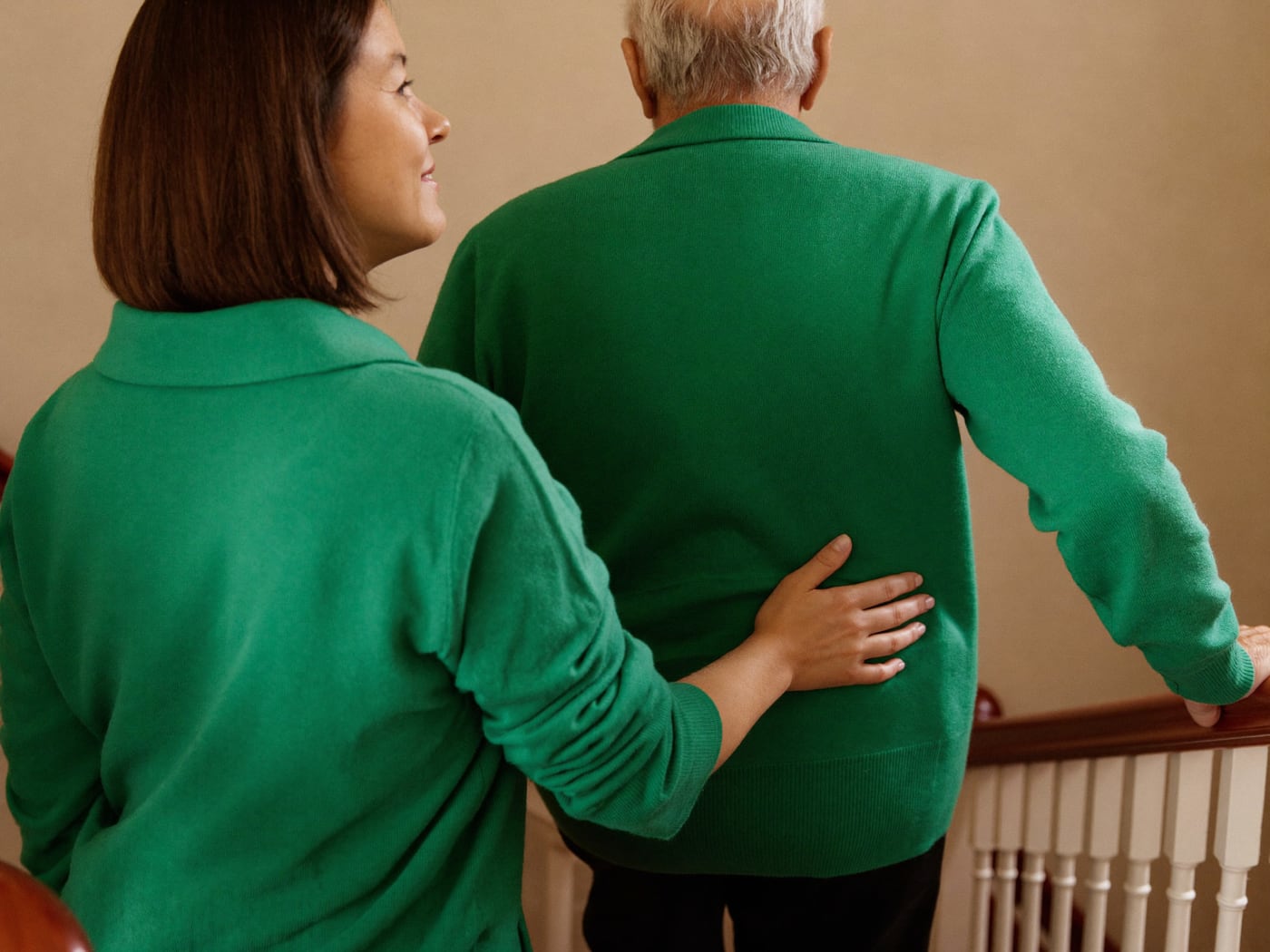
At Circles of Life Healthcare Services LLC, our caregivers spend real time inside the home, which means they notice the things that are easy to overlook after living somewhere for years. A caregiver assisting with a shower, helping carry laundry down the stairs, or walking alongside someone on their evening routine is also, quietly, a second set of eyes watching for the hazards that lead to falls.
Fall prevention is not a one time fix. It is an ongoing habit of paying attention, and having someone consistently present in the home makes that habit far easier to keep.
Conclusion
Most fall risks at home are ordinary, fixable things: a rug, a cord, a dim bulb, a missing grab bar. None of them require a renovation, and most can be addressed over a single weekend. Walking through each room with fresh eyes, or asking someone else to do it with you, is one of the most effective things a family can do to help a loved one stay safe and independent at home.
Circles of Life Healthcare Services LLC
In-Home Care and Assistance
Compassionate Care. Reliable Support. Peace of Mind.
References
Centers for Disease Control and Prevention. (2024). About STEADI. https://www.cdc.gov/steadi/about/index.html
Centers for Disease Control and Prevention. (2024). About older adult fall prevention. https://www.cdc.gov/falls/about/index.html
National Institute on Aging. (2023). Preventing falls at home: Room by room. https://www.nia.nih.gov/health/falls-and-falls-prevention/preventing-falls-home-room-room
National Institute on Aging. (2023). Falls and fractures in older adults: Causes and prevention. https://www.nia.nih.gov/health/falls-and-falls-prevention/falls-and-fractures-older-adults-causes-and-prevention