
Family Caregiver Burnout: Signs, Prevention, Recovery, and the Importance of Seeking Professional Help
Caregiving is one of the greatest expressions of love, but it can quietly wear a person down until exhaustion becomes the norm. Here's how to recognize caregiver burnout early, protect your own health, and understand why bringing in professional support is a sign of strength, not failure.

Family caregiving is one of the greatest expressions of love, sacrifice, and commitment. Every day, millions of individuals care for aging parents, spouses, grandparents, siblings, or other loved ones with chronic illnesses or disabilities. They help with bathing, dressing, meal preparation, medication reminders, transportation, housekeeping, and emotional support all while often balancing careers, raising children, managing households, and maintaining their own health.
Although caregiving can be deeply rewarding, it is also physically demanding, emotionally draining, and mentally exhausting. Many family caregivers become so focused on meeting the needs of their loved ones that they neglect their own well-being. Over time, this constant stress can lead to family caregiver burnout, a condition that affects not only the caregiver but also the quality of care provided.
The good news is that caregiver burnout is both preventable and treatable. Recognizing the warning signs early, practicing healthy self-care, and seeking professional support can help caregivers maintain their own health while continuing to provide compassionate care.
What Is Family Caregiver Burnout?
Family caregiver burnout is a state of physical, emotional, and mental exhaustion caused by the prolonged stress of caring for another person. It develops gradually when the responsibilities of caregiving consistently exceed a person's physical and emotional capacity.
Unlike occasional tiredness, burnout is persistent. Even after resting, caregivers may continue to feel exhausted, overwhelmed, discouraged, and emotionally depleted.
According to the National Institute on Aging (NIA, 2023), family caregivers are more likely to experience depression, anxiety, sleep disturbances, and chronic health problems because of the ongoing demands of caregiving. Without adequate support, burnout can significantly affect both the caregiver's health and the well-being of the person receiving care.
Why Family Caregivers Are at Greater Risk
Family caregivers often provide care because of love and a deep sense of responsibility. Many promise their loved ones that they will never place them in a nursing facility or feel that accepting outside help means they have somehow failed.
Unfortunately, these beliefs often cause caregivers to take on far more than one person can reasonably manage.
Several factors increase the risk of burnout:
- Providing care every day without regular breaks.
- Caring for someone with Alzheimer's disease or another form of dementia.
- Managing challenging behaviors or memory loss.
- Balancing caregiving with full-time employment.
- Raising children while caring for aging parents (the "sandwich generation").
- Financial pressures associated with caregiving.
- Limited support from other family members.
- Lack of sleep and inadequate rest.
- Social isolation.
- Feeling guilty when taking time for personal needs.
Caregivers frequently place their loved one's needs ahead of their own. Over time, this imbalance becomes physically and emotionally unsustainable.
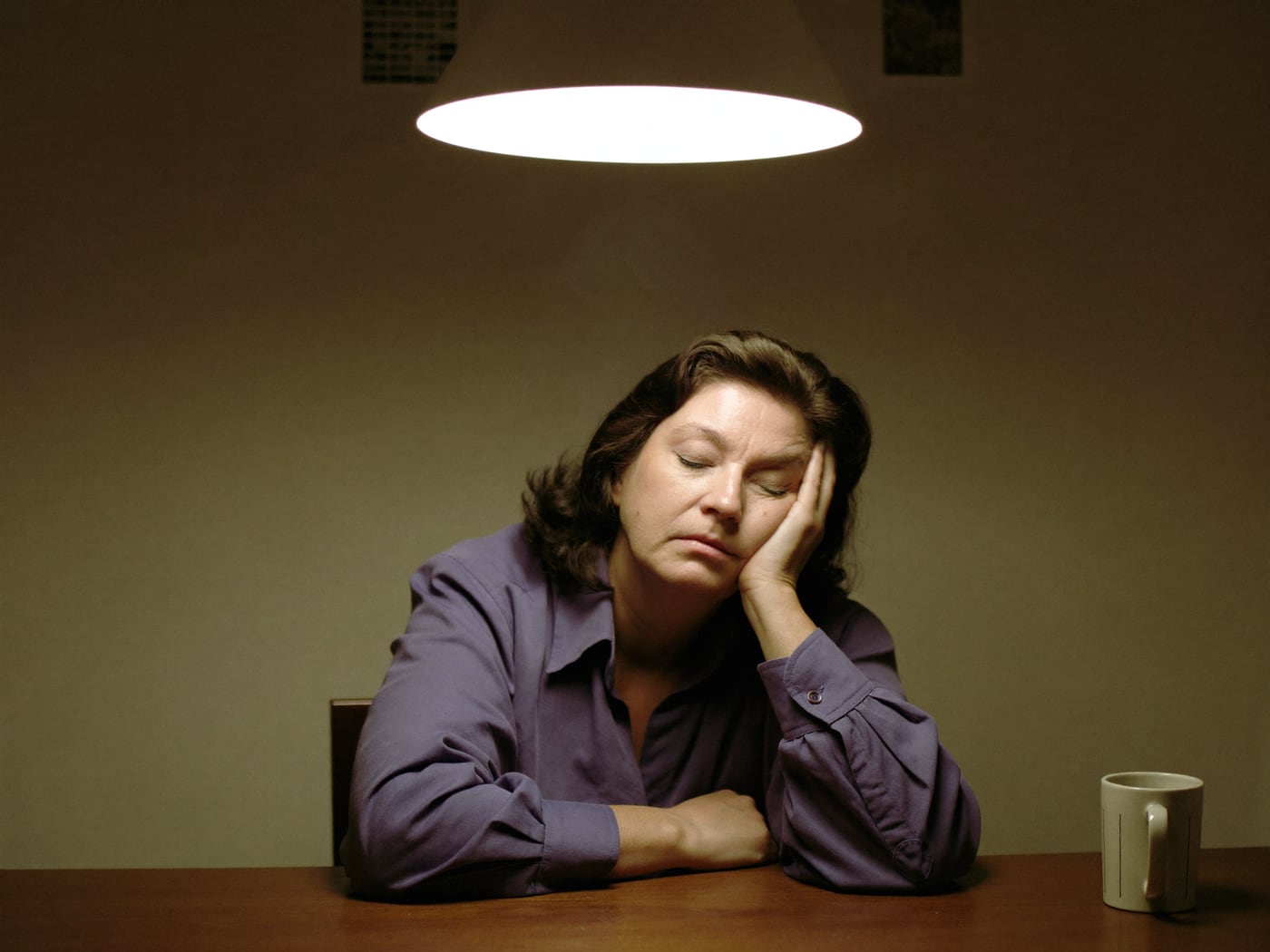
Signs and Symptoms of Family Caregiver Burnout
Burnout affects every aspect of a caregiver's life.
Physical Signs
The body often sends warning signals long before caregivers recognize they are overwhelmed.
These may include:
- Constant fatigue
- Frequent headaches
- Muscle tension or chronic pain
- High blood pressure
- Difficulty sleeping
- Changes in appetite
- Weight gain or weight loss
- Frequent colds or infections
- Digestive problems
Long-term stress weakens the immune system and increases the risk of chronic illnesses, including cardiovascular disease (American Psychological Association [APA], 2023).
Emotional Signs
Caregiver burnout often appears first through emotional changes.
These include:
- Feeling overwhelmed
- Anxiety
- Depression
- Persistent sadness
- Hopelessness
- Irritability
- Mood swings
- Feeling emotionally numb
- Loss of motivation
- Feeling trapped
Many caregivers also experience guilt because they feel frustrated, resentful, or emotionally exhausted. These emotions are common and do not mean someone loves their family member any less.
Behavioral Signs
Burnout often changes how caregivers function each day.
You may notice:
- Forgetting important responsibilities.
- Losing patience easily.
- Withdrawing from friends and family.
- Canceling social activities.
- Ignoring personal medical appointments.
- Poor eating habits.
- Increased use of alcohol or unhealthy coping behaviors.
- Difficulty concentrating at work.
- Neglecting personal hygiene.
When caregivers stop caring for themselves, the quality of care they provide often begins to decline.
The Emotional Weight of Family Caregiving
Family caregiving involves much more than completing daily tasks.
Caregivers often experience anticipatory grief as they watch a loved one's health decline. They may struggle with role changes, such as becoming the caregiver for the parent who once cared for them. Many experience loneliness because friends and relatives do not fully understand the emotional demands of caregiving.
It is also common for caregivers to feel isolated. Responsibilities may leave little time for friendships, hobbies, vacations, or even simple moments of rest. Over time, this emotional burden can contribute to anxiety, depression, and compassion fatigue.
Recognizing these emotional challenges is an important step toward maintaining long-term resilience.
The Impact of Burnout on the Person Receiving Care
Family caregivers often believe that sacrificing their own health benefits their loved one. Ironically, the opposite is often true.
Burnout can lead to:
- Reduced patience.
- Poor decision-making.
- Missed appointments.
- Medication errors.
- Increased frustration.
- Emotional distance.
- Reduced quality of care.
Research demonstrates that caregiver stress affects both caregivers and care recipients, making caregiver well-being an essential part of quality care (Schulz & Eden, 2016).
How to Prevent Family Caregiver Burnout
Although caregiving is demanding, burnout is not inevitable.
Several healthy practices can significantly reduce stress.
Accept That You Cannot Do Everything
No single person can meet every need alone.
Trying to do so often leads to exhaustion.
Allow family members, friends, neighbors, faith communities, and professionals to share caregiving responsibilities.
Accepting help demonstrates wisdom not weakness.
Prioritize Your Own Health
One of the greatest gifts you can give your loved one is staying healthy yourself.
Make time to:
- Attend medical appointments.
- Exercise regularly.
- Eat balanced meals.
- Stay hydrated.
- Sleep seven to nine hours each night.
- Spend time outdoors.
- Practice prayer, meditation, or relaxation.
- Continue hobbies you enjoy.
Self-care strengthens your ability to care for others.
Build a Support Network
Caregiving should never be a solitary journey.
Join caregiver support groups, connect with community organizations, speak openly with trusted friends, and remain involved in your faith community if applicable.
Sharing experiences with others reduces stress and reminds caregivers they are not alone.
Learn About Your Loved One's Condition
Education helps caregivers understand what to expect and how to respond effectively.
Organizations such as the National Institute on Aging, the Alzheimer's Association, and the Family Caregiver Alliance provide reliable educational resources that help families navigate caregiving challenges with greater confidence.
The Importance of Seeking Professional Help
One of the greatest misconceptions about home care is that asking for professional help means a family has failed.
Nothing could be further from the truth.
Seeking professional assistance demonstrates thoughtful planning, responsible caregiving, and a commitment to providing the highest quality of care.
Professional caregivers complement not replace the love and support families provide.
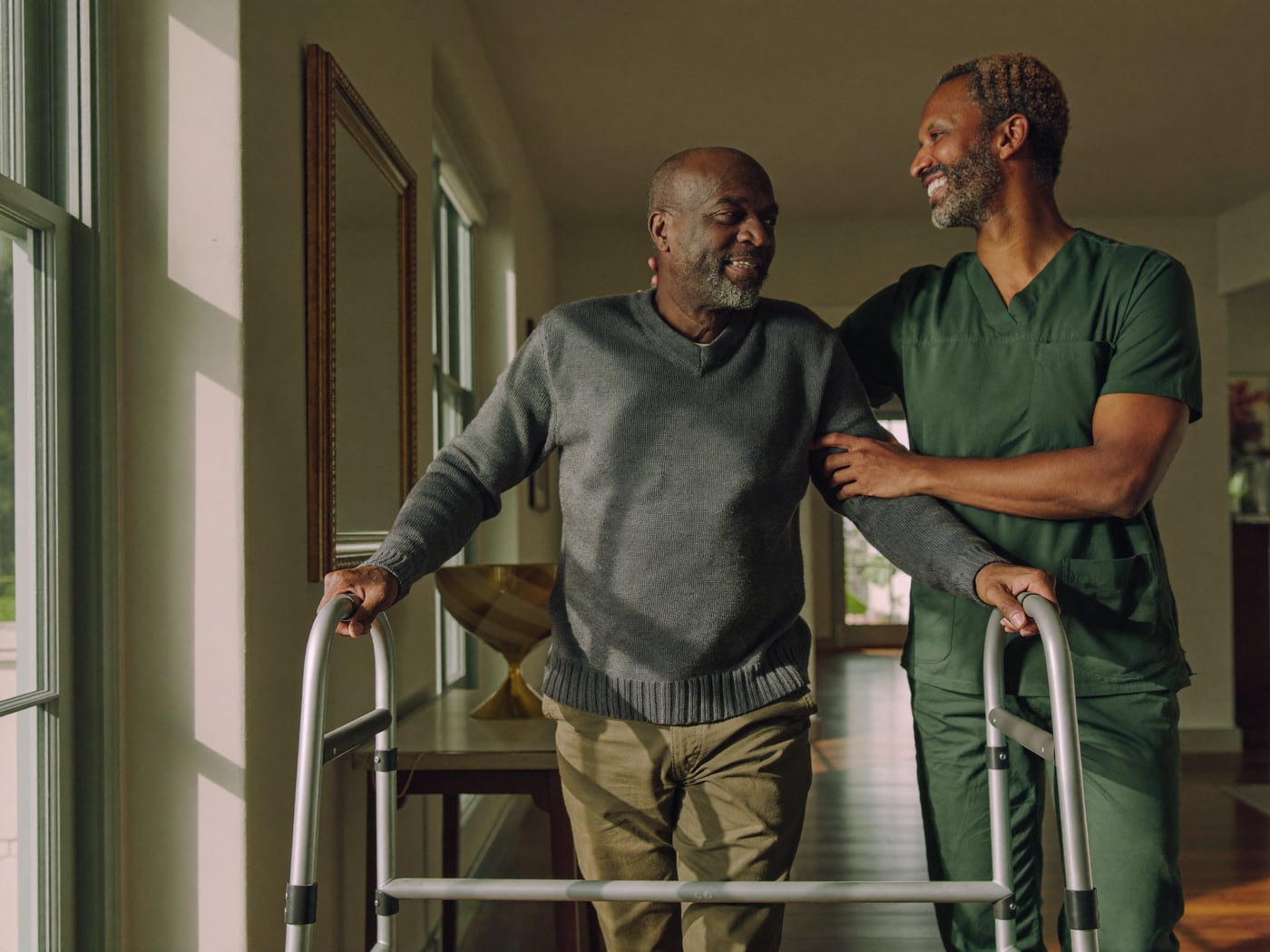
Professional Care Gives Families Time to Be Family Again
Many caregivers become so consumed by caregiving responsibilities that their relationship with their loved one changes.
Instead of enjoying conversations, family dinners, or meaningful moments together, every interaction revolves around caregiving tasks.
Professional caregivers can assist with daily responsibilities such as:
- Personal hygiene assistance.
- Bathing and grooming.
- Meal preparation.
- Light housekeeping.
- Laundry.
- Transportation.
- Companion care.
- Mobility assistance.
- Medication reminders.
- Respite care.
This allows family members to spend quality time with their loved ones rather than constantly performing caregiving duties.
Professional Help Improves Safety
Trained caregivers recognize fall risks, monitor changes in daily functioning, encourage healthy nutrition, assist with mobility, and promote safe living environments.
Early intervention often prevents injuries, reduces unnecessary hospitalizations, and supports aging safely at home (Centers for Disease Control and Prevention [CDC], 2024).
Respite Care Prevents Burnout
Respite care provides temporary relief for family caregivers.
Whether assistance is needed for a few hours each week or several days, respite care allows caregivers to:
- Rest.
- Attend medical appointments.
- Spend time with friends.
- Take vacations.
- Focus on work.
- Recharge emotionally.
Even short breaks significantly improve emotional resilience and reduce caregiver stress.
Professional Help Supports the Entire Family
When caregiving responsibilities are shared, everyone benefits.
The older adult receives consistent, compassionate care. Family caregivers experience reduced stress. Relationships improve. Communication becomes healthier. The family functions more effectively as a whole.
Professional home care strengthens not replaces the family's role.
Recovering from Caregiver Burnout
Recovery begins by recognizing that burnout deserves attention.
Caregivers should:
- Acknowledge their feelings without guilt.
- Speak openly with family members.
- Accept professional assistance.
- Schedule regular periods of rest.
- Seek counseling if anxiety or depression develops.
- Resume enjoyable activities.
- Maintain healthy sleep and nutrition.
- Celebrate small successes.
Recovery is not selfish. It is necessary. Healthy caregivers provide healthier care.
Conclusion
Family caregiving is an extraordinary act of love, compassion, and sacrifice. However, no caregiver should be expected to carry the weight of caregiving alone. Recognizing the signs of burnout, practicing healthy self-care, and seeking professional assistance are essential steps toward protecting both the caregiver and the loved one receiving care.
At Circles of Life Healthcare Services LLC, we believe that asking for help is one of the strongest decisions a family can make. Our compassionate, dependable caregivers partner with families to provide personalized non-medical in-home care while giving family caregivers the opportunity to rest, recover, and focus on what matters most spending meaningful time with the people they love.
If you or someone you know is feeling overwhelmed by caregiving responsibilities, remember that support is available. Contact Circles of Life Healthcare Services LLC today to learn how our compassionate home care services can provide your family with reliable support, dignity, and peace of mind.
References
American Psychological Association. (2023). Stress effects on the body. https://www.apa.org/topics/stress/body
Centers for Disease Control and Prevention. (2024). Caregiving for family and friends: A public health issue. https://www.cdc.gov/aging/caregiving
Family Caregiver Alliance. (2024). Caregiver health. https://www.caregiver.org/caregiver-health
National Institute on Aging. (2023). Caregiving: Taking care of yourself. https://www.nia.nih.gov/health/caregiving
Schulz, R., & Eden, J. (Eds.). (2016). Families caring for an aging America. National Academies Press. https://doi.org/10.17226/2360