Nutrition and Hydration in Older Adults: Why These Basic Needs Are Easy to Overlook
Eating enough and drinking enough sound like the most basic parts of daily life, which is exactly why they are so easy to miss until something goes wrong. Here is why these needs get harder with age, and simple ways families can help.
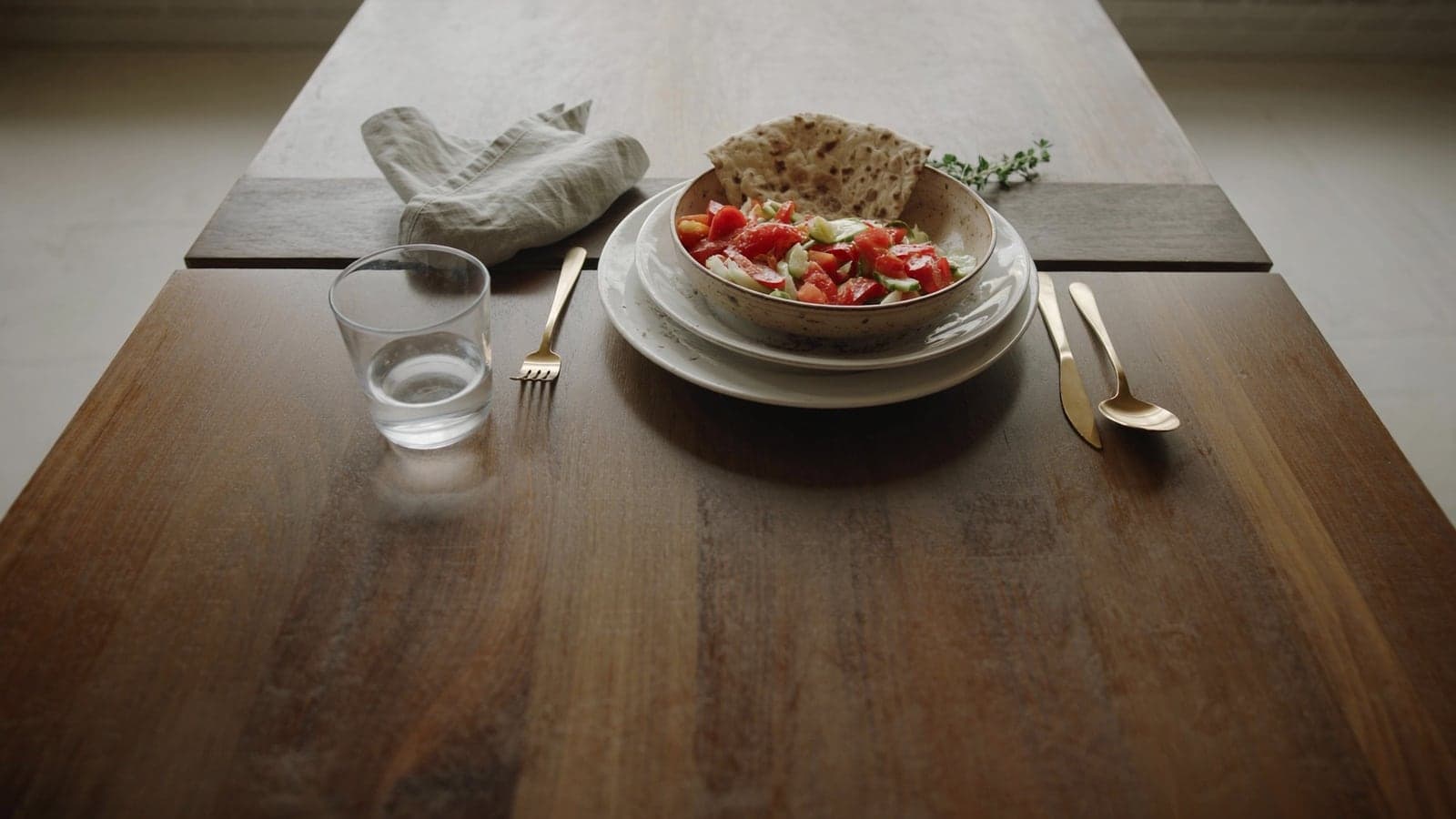
Open the refrigerator of an older adult living alone and you might find it half empty, or full of things that have quietly gone bad. It is rarely intentional neglect. Cooking for one loses its appeal, meals get smaller or get skipped entirely, and drinking enough water during the day is easy to forget when the body's own thirst signal is not as reliable as it used to be. These two basic needs, eating enough and drinking enough, are some of the most overlooked risks in aging, mostly because they rarely look like an emergency until they already are one.
Why Eating and Drinking Enough Gets Harder With Age
Several ordinary changes make good nutrition harder to maintain later in life. Appetite naturally declines with age, taste and smell can become less sharp, dental problems can make chewing uncomfortable, and certain medications can suppress hunger or change how food tastes altogether. On the hydration side, the body's sense of thirst weakens with age, so an older adult can already be significantly dehydrated before they feel thirsty enough to do anything about it (National Institute on Aging, 2020).
None of this means poor nutrition is inevitable. It means these changes deserve attention rather than being written off as a normal, unavoidable part of getting older.
The Hidden Risks of Not Eating Enough
Older adults generally need fewer calories than they did in earlier decades, but they still need just as many, if not more, essential nutrients, which makes every meal count more than it used to (National Institute on Aging, 2024a). When intake drops too low for too long, the consequences build quietly: unintended weight loss, loss of muscle mass and strength, a weakened immune system, slower wound healing, and a higher risk of falls tied to general frailty.
These effects rarely show up overnight. They accumulate over weeks and months of meals that were smaller than they should have been, which is exactly why they are so easy for families to miss during a quick visit or a phone call.
Dehydration Is More Common, and More Serious, Than It Seems
Dehydration is one of the ten most frequent reasons adults over 65 are hospitalized in the United States, and it has been linked to memory problems, falls, fatigue, and urinary tract infections (National Institutes of Health, 2021). Older adults are especially vulnerable for two compounding reasons: their bodies hold less water than younger adults to begin with, so smaller fluid losses matter more, and their kidneys are less able to conserve water even when they need to (National Institutes of Health, 2021).
A simple, low effort way to check hydration is the color of urine. Pale and clear generally means well hydrated. Dark amber or brown is a sign that more fluids are needed. It is not a perfect test, but it is a useful everyday habit that costs nothing and catches problems early.
Warning Signs Families Can Watch For
A few patterns are worth paying attention to during visits or calls. These include skipped meals or food left untouched, noticeable weight loss over a few months, fatigue or dizziness that seems disconnected from anything else, new or worsening confusion, dry mouth, and dark colored urine. Any one of these on its own might mean nothing. Several of them together, especially if they are new, are worth a closer look.
Simple Ways to Support Better Eating and Drinking Habits
Small, practical changes tend to help more than big, complicated ones. The National Institute on Aging (2024b) recommends focusing on nutrient dense foods rather than large portions, since older adults often need fewer calories but the same or greater amounts of key nutrients. In practice, that can mean smaller meals offered more often through the day instead of three large ones, keeping favorite and easy to prepare foods stocked and visible, adding herbs and spices to boost flavor when taste has dulled, and offering a variety of fluids such as water, juice, broth, or decaffeinated tea rather than relying on plain water alone.
A glass of water left within easy reach, refilled throughout the day, does more good than a single reminder to "drink more water" ever will.
Why Eating Alone Makes This Harder
Meals are social by nature, and eating alone, day after day, tends to quietly reduce both appetite and motivation to cook in the first place. It is far easier to skip a proper meal and settle for crackers or nothing at all when there is no one else at the table. This is one of the reasons companionship and nutrition are so closely connected in caregiving. A shared meal is rarely just about the food.
How Circles of Life Supports Healthy Eating and Hydration at Home
At Circles of Life Healthcare Services LLC, meal preparation and companionship go hand in hand. Our caregivers help plan and prepare meals that are actually appealing to eat, keep a gentle eye on how much is being eaten and how many fluids are going down through the day, and turn mealtime into a shared moment rather than a solitary chore. Sometimes the simplest thing a caregiver does, sitting down at the table with someone, makes the biggest difference in whether a meal actually gets eaten.
Conclusion
Eating and drinking enough sound like the most basic parts of daily life, which is exactly why they are so easy to overlook until something goes wrong. A little attention, a few practical habits, and the simple presence of another person at mealtime can go a long way toward keeping an older adult nourished, hydrated, and steady at home.
Circles of Life Healthcare Services LLC
In-Home Care and Assistance
Compassionate Care. Reliable Support. Peace of Mind.
References
National Institute on Aging. (2020). Getting enough fluids. National Institutes of Health. https://www.nia.nih.gov/health/getting-enough-fluids
National Institute on Aging. (2024a). Healthy eating, nutrition, and diet. National Institutes of Health. https://www.nia.nih.gov/health/healthy-eating-nutrition-and-diet
National Institute on Aging. (2024b). Healthy meal planning: Tips for older adults. National Institutes of Health. https://www.nia.nih.gov/health/healthy-eating-nutrition-and-diet/healthy-meal-planning-tips-older-adults
National Institutes of Health. (2021). Link between hydration and aging. NIH Research Matters. https://www.nih.gov/news-events/nih-research-matters/link-between-hydration-aging