The Health Benefits of Companionship: Why Isolation Is a Bigger Risk Than It Seems
Loneliness in older adults isn't just an emotional issue, it's been linked to measurable declines in physical and cognitive health. Here's why isolation deserves the same attention as any other health risk, and why it's often the easiest one to fix.
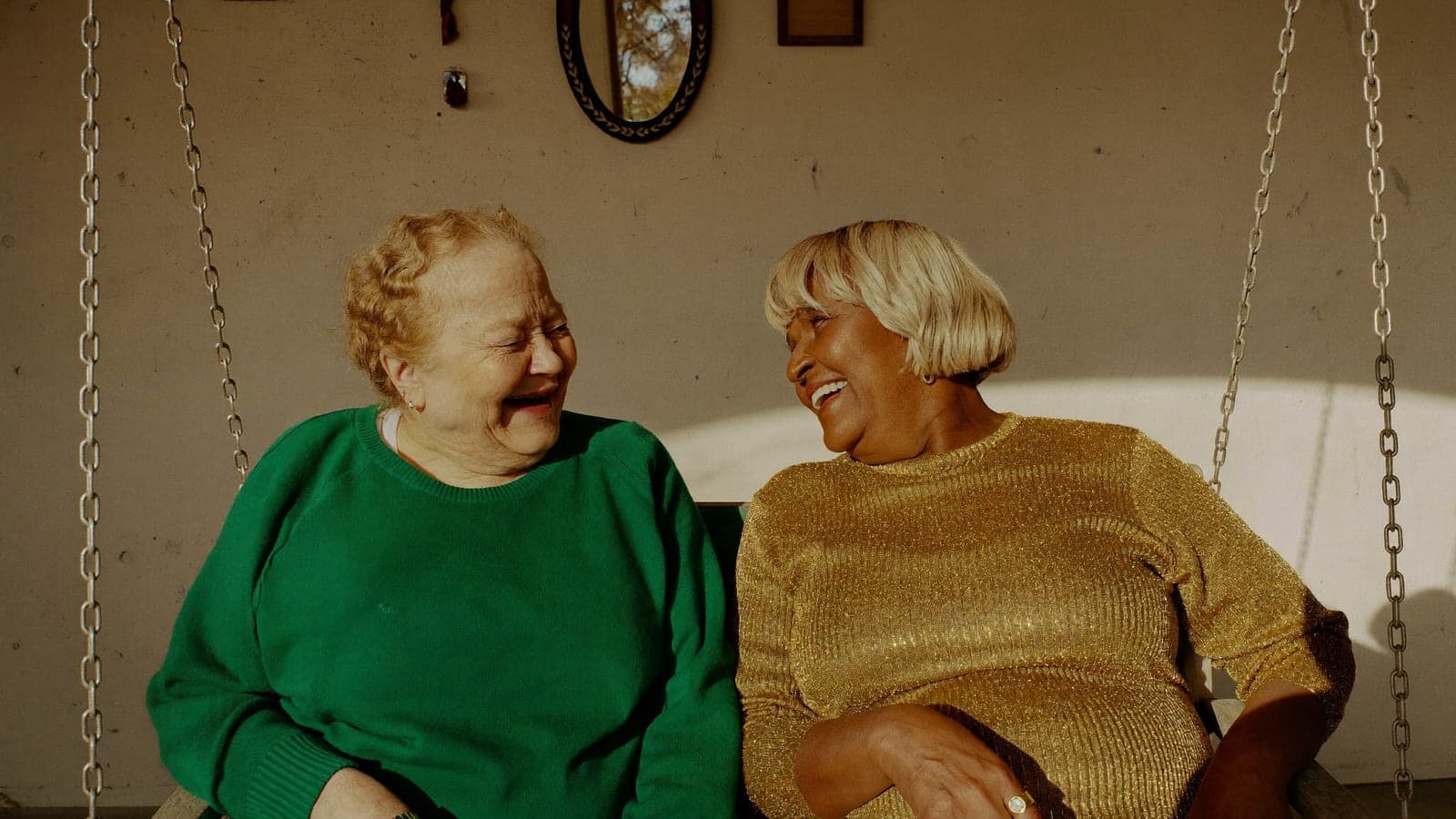
Loneliness in older adults isn't just an emotional issue. It has been linked to measurable declines in both physical and cognitive health, and unlike a lot of the risks that come with aging, it is often one of the easiest to fix.
When "I'm Fine, I Just Don't Get Out Much" Becomes a Warning Sign
Picture an older parent who spends most days alone at home. The phone doesn't ring as often as it used to. Old friends have passed away or moved closer to their own children. Driving isn't as easy as it once was, so trips outside the house have quietly become rare.
On the surface, nothing looks urgent. Nobody has fallen. Nobody has missed a dose of medication. But something important is slipping away all the same, and it deserves just as much attention as any physical symptom would.
Isolation rarely announces itself all at once. It builds slowly, one skipped visit and one canceled outing at a time, until it becomes the new normal for a family that never meant to let it happen.
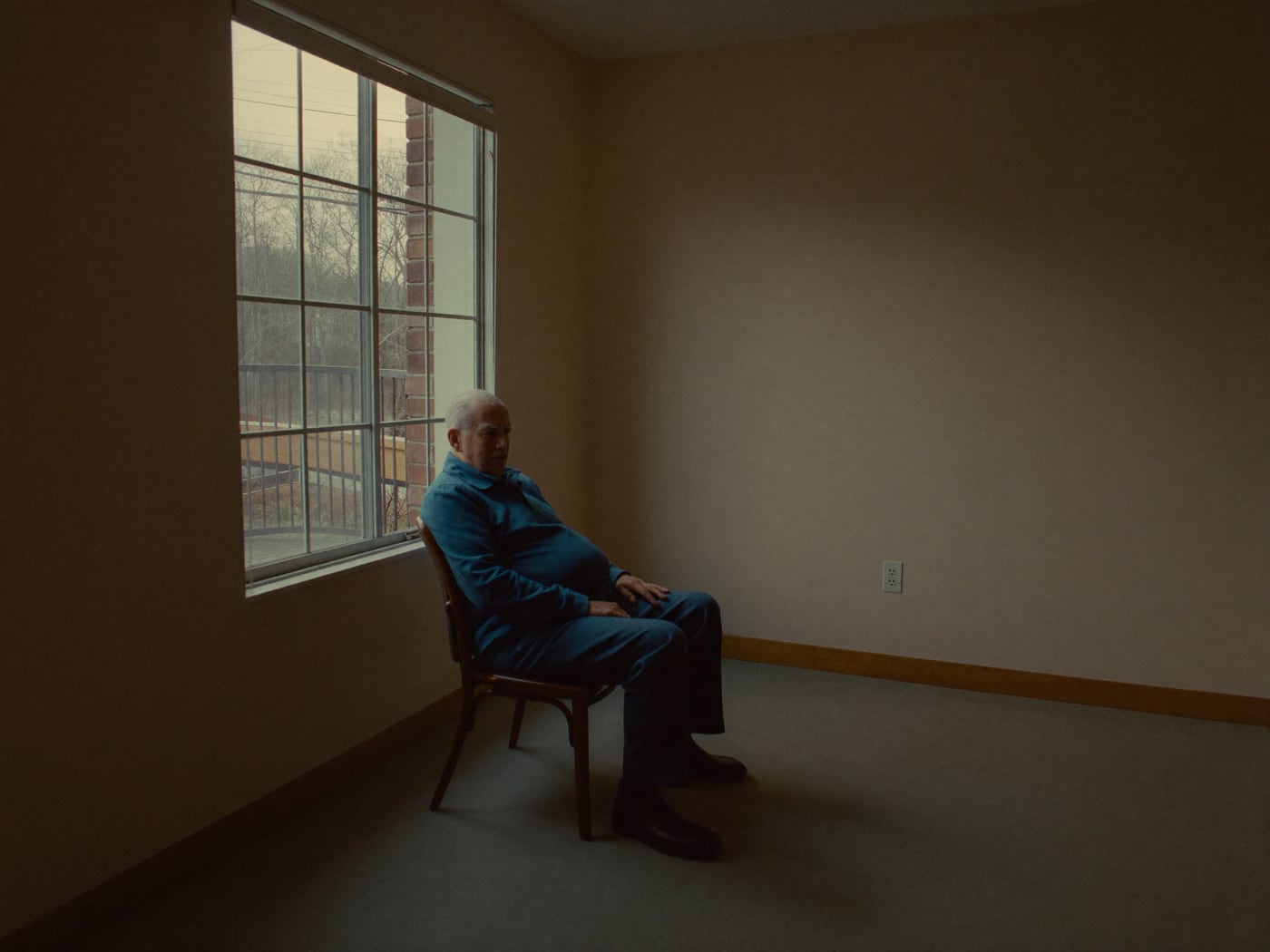
Loneliness Is a Physical Health Risk, Not Just an Emotional One
For a long time, loneliness was treated mostly as a mood problem, uncomfortable but not dangerous. Research keeps pointing the other way. A well known analysis of nearly 150 studies by Holt Lunstad and colleagues (2010) found that weak social connections carry a mortality risk comparable to smoking up to fifteen cigarettes a day, and a bigger risk than obesity or physical inactivity.
A comprehensive review by the National Academies of Sciences, Engineering, and Medicine (2020) found that socially isolated older adults face a significantly higher risk of heart disease, stroke, and premature death. The National Institute on Aging (NIA, 2022) adds that isolated older adults also tend to have higher blood pressure, a weaker immune response, and slower recovery after illness or surgery.
None of this means loneliness causes disease on its own. It means the body reacts to prolonged isolation much the way it reacts to other forms of chronic stress, and over time that toll adds up.
The Cognitive Toll Is Just as Real
Isolation doesn't only wear on the heart. It affects the mind too. A widely cited study in JAMA Internal Medicine (Perissinotto et al., 2012) found that lonely older adults experienced faster declines in physical function and a higher risk of death over a period of six years than their more socially connected peers.
A comprehensive review by the National Academies of Sciences, Engineering, and Medicine (2020) concluded that social isolation is linked to roughly a fifty percent increased risk of developing dementia, along with higher rates of depression, anxiety, and general cognitive decline. Conversation, shared activities, and simply being around other people all give the brain a kind of exercise that solitary days rarely provide.
Why Older Adults Are Especially Vulnerable
A handful of common life changes make isolation far more likely later in life. Losing a spouse or close friends often removes the people someone used to see every day. Retiring ends the built in social contact that came with a job. Giving up driving can quietly cut off access to church, errands, and visits with friends. Hearing or vision loss can make conversations and group settings feel exhausting instead of enjoyable. Limited mobility can turn even a short trip outside into more effort than it seems worth. And adult children who live far away can only visit so often, no matter how much they want to be there.
Any single one of these changes might not seem like much on its own. Together, they can quietly reshape a person's entire week until there's almost no meaningful contact left in it.
The Encouraging Part: This Is One of the Most Fixable Risks in Aging
Unlike a lot of what comes with getting older, loneliness responds well to something fairly simple: consistent human contact. Families don't have to solve every physical or cognitive challenge their loved one faces to make a real difference here. They mainly need to make sure isolation never gets the chance to take hold in the first place.
Companionship helps in ways that are easy to underestimate. Regular conversation keeps the mind active and gives someone a reason to look forward to the day ahead. Sharing meals with another person tends to encourage a better appetite and steadier eating habits. A familiar, friendly face showing up at the house can ease anxiety and lift a low mood more than most people expect. Having someone to talk to about aches, worries, or changes in health often means problems get noticed and addressed earlier rather than later. And a predictable visiting schedule gives shape to days that might otherwise blur together.
None of this calls for an elaborate intervention. Most of the time, it just calls for showing up, and doing it consistently enough that someone can count on it.
How Circles of Life Approaches Companionship
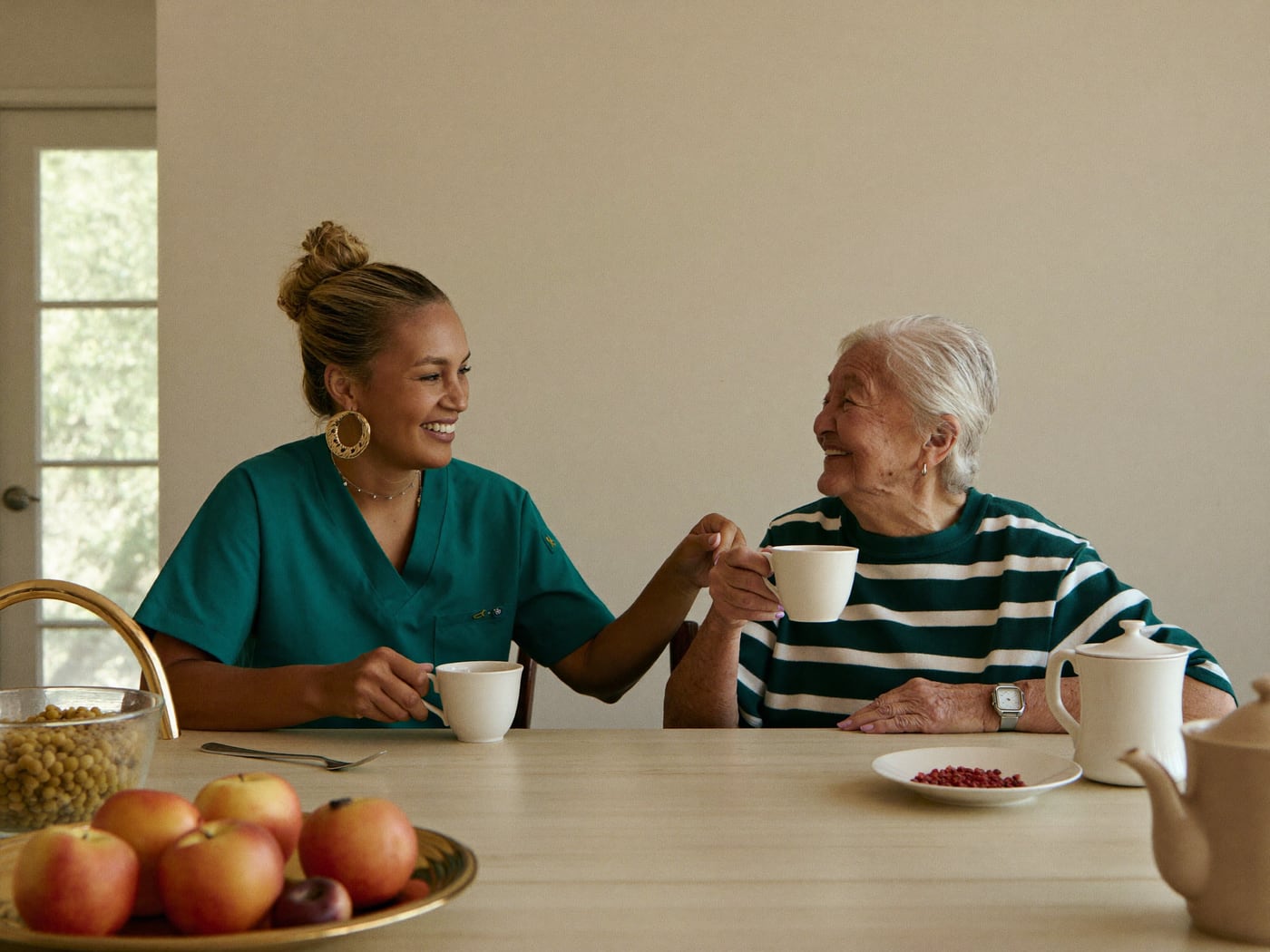
At Circles of Life Healthcare Services LLC, companion care is built around exactly this idea, that connection is not a luxury but a genuine part of health. Our caregivers spend real time with the people they support: sharing meals, conversation, hobbies, and the small, ordinary moments that make up a good day. For families who can't always be there in person, that steady presence can be the difference between a loved one who is aging in place and truly thriving, and one who is simply getting by.
A Small Habit With a Big Payoff
You don't need a medical background to push back against isolation. A weekly phone call, a standing lunch date, a regular visit from a companion caregiver, any of these can meaningfully change how connected an older adult feels. The research suggests that connection does far more for the body and mind than most people realize.
If someone you love has quietly grown more isolated, it may be worth treating that the same way you would treat a change in appetite or a change in mobility, as something worth a closer look, and something well within reach to improve.
References
Holt Lunstad, J., Smith, T. B., & Layton, J. B. (2010). Social relationships and mortality risk: A meta-analytic review. PLoS Medicine, 7(7).
National Academies of Sciences, Engineering, and Medicine. (2020). Social isolation and loneliness in older adults: Opportunities for the health care system. National Academies Press.
National Institute on Aging. (2022). Loneliness and social isolation: Tips for staying connected. https://www.nia.nih.gov/health/loneliness-and-social-isolation
Perissinotto, C. M., Stijacic Cenzer, I., & Covinsky, K. E. (2012). Loneliness in older persons: A predictor of functional decline and death. JAMA Internal Medicine, 172(14), pp. 1078 to 1083.